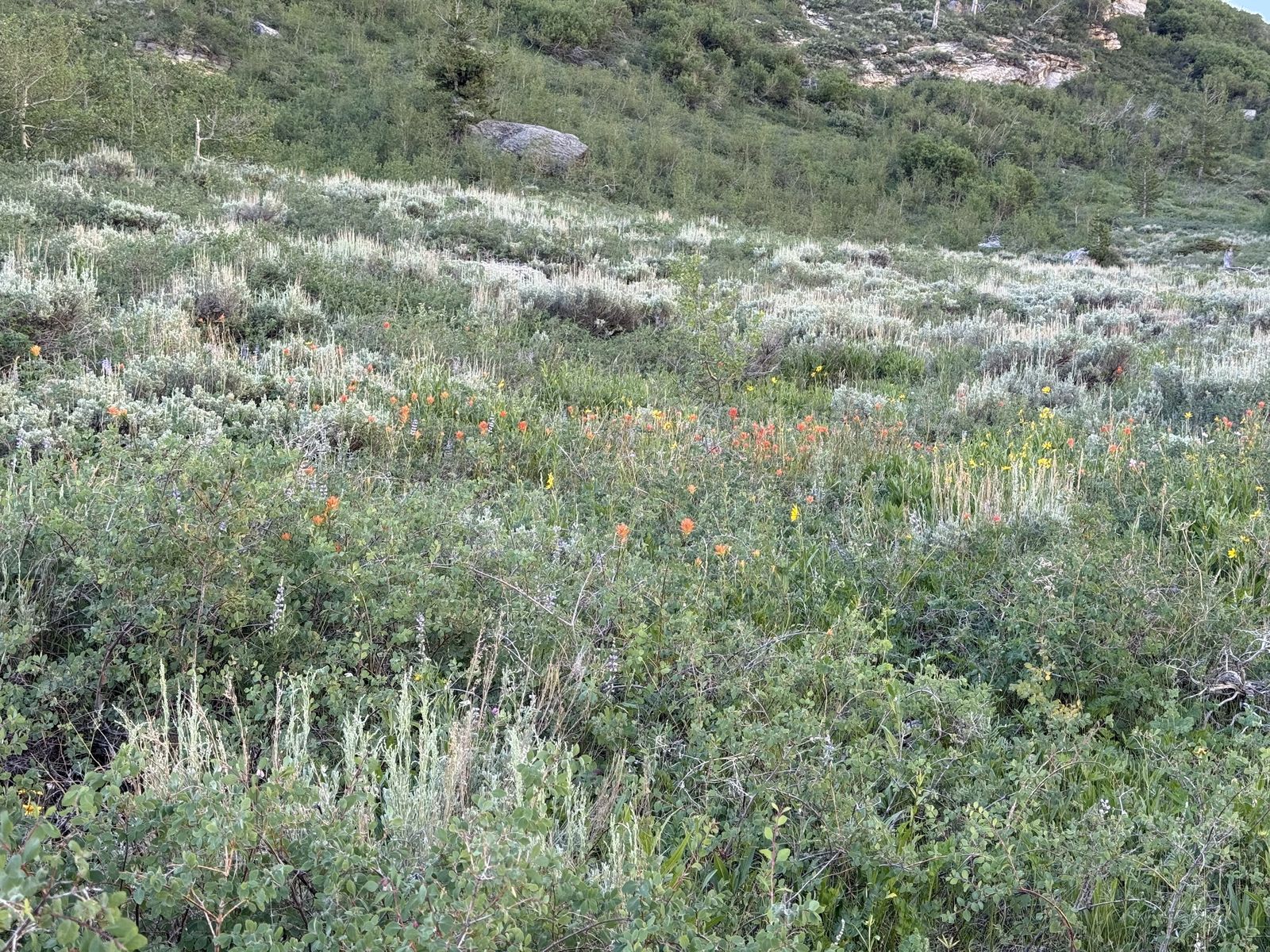
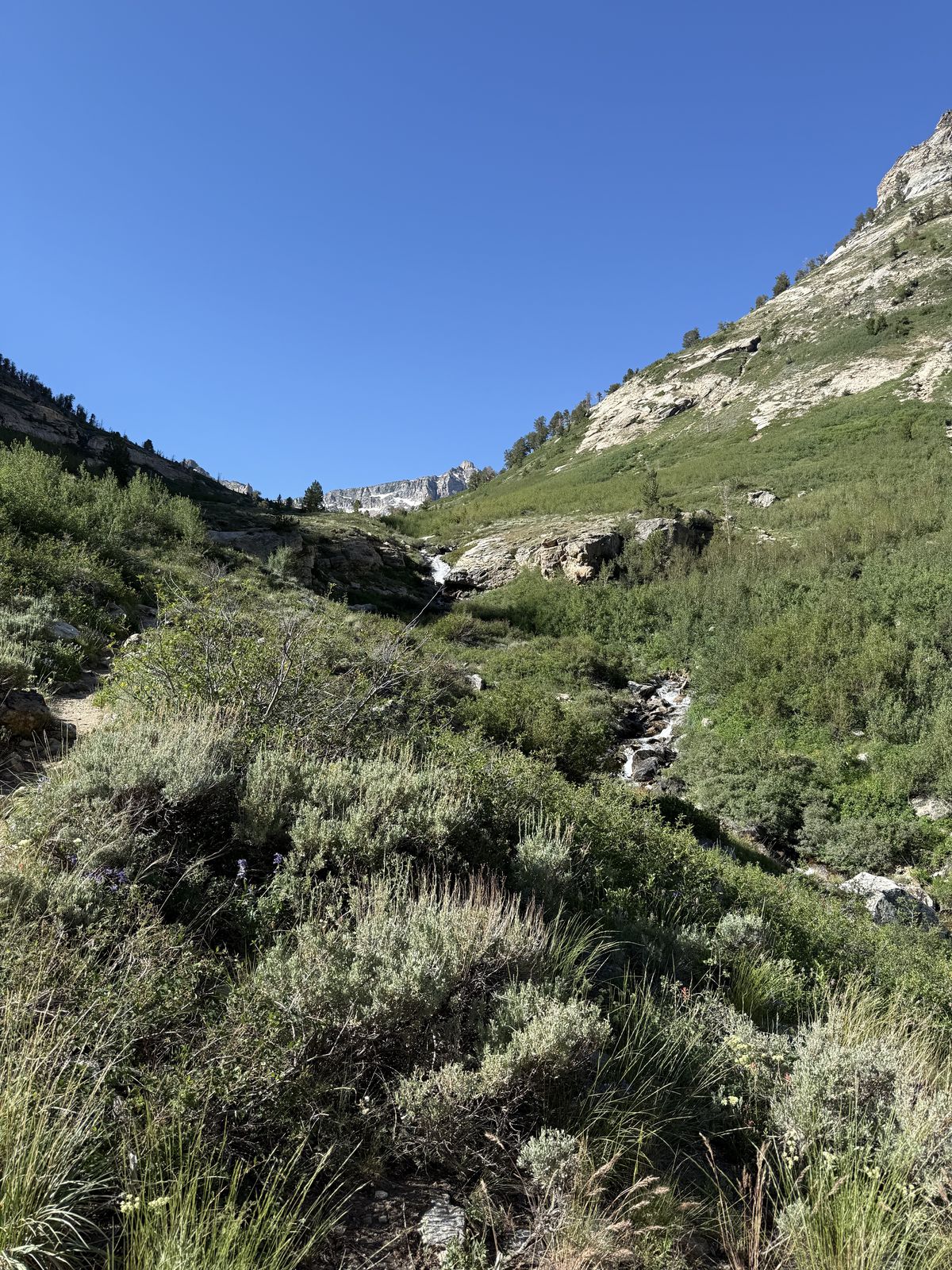
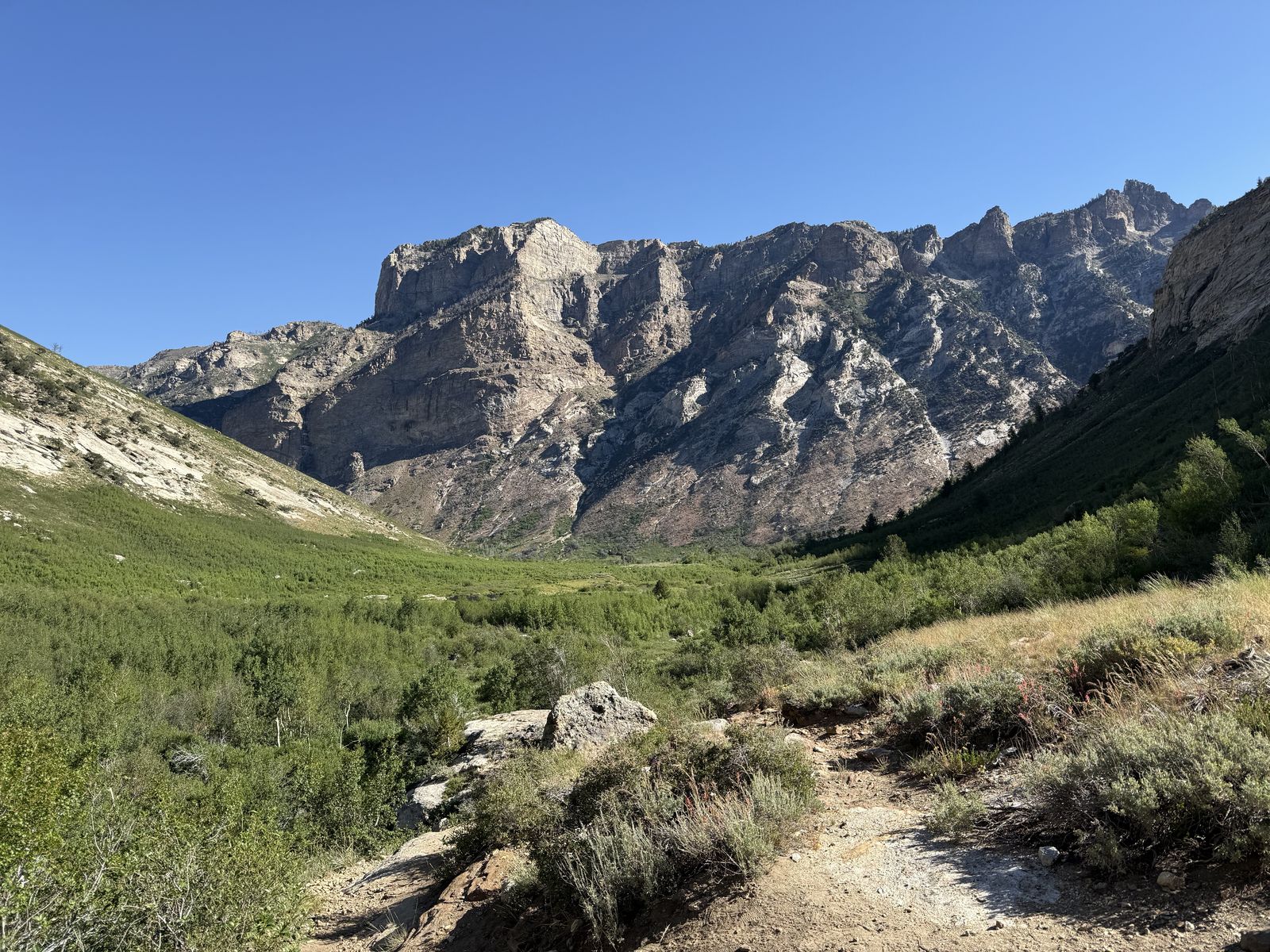
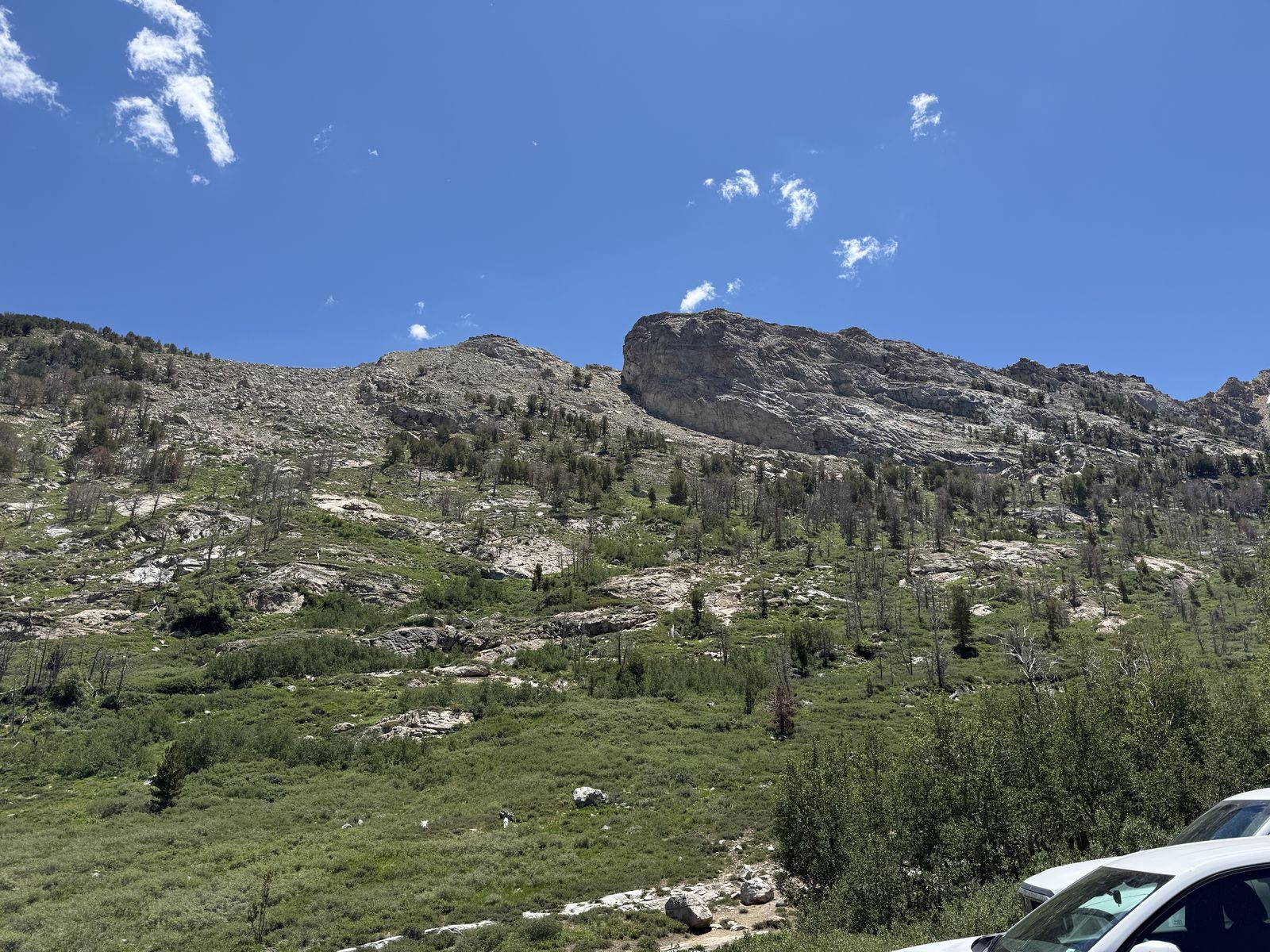
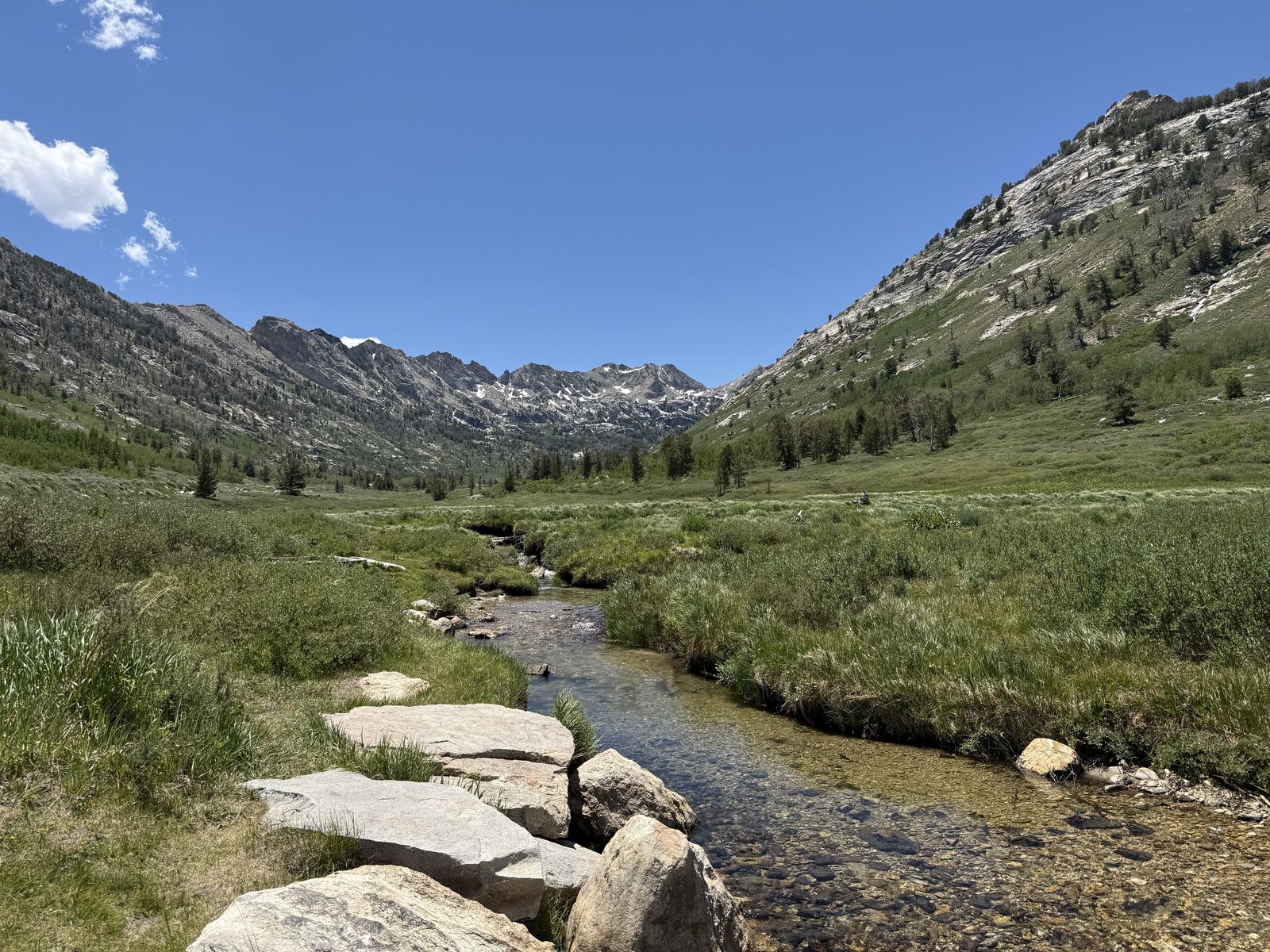
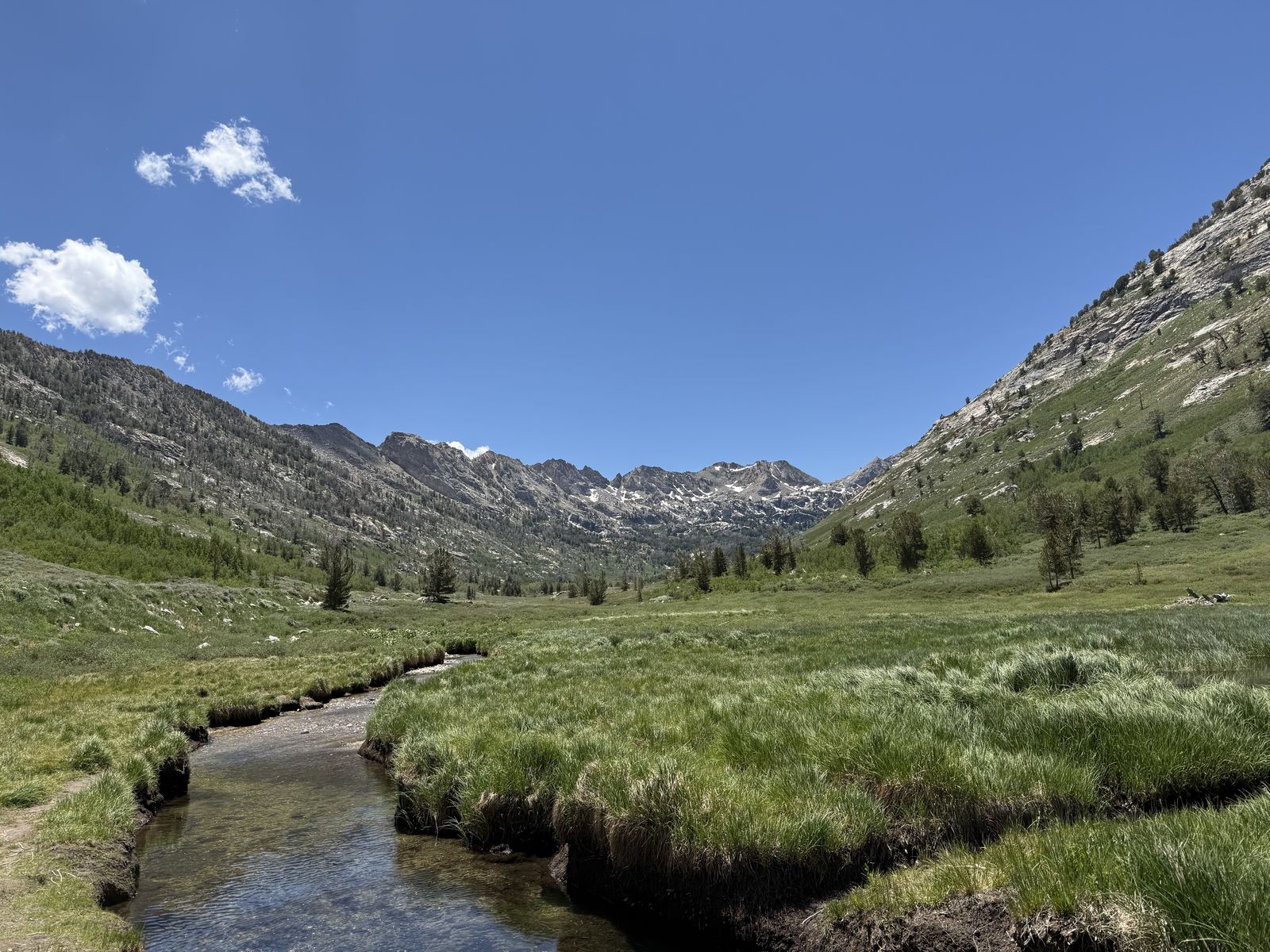
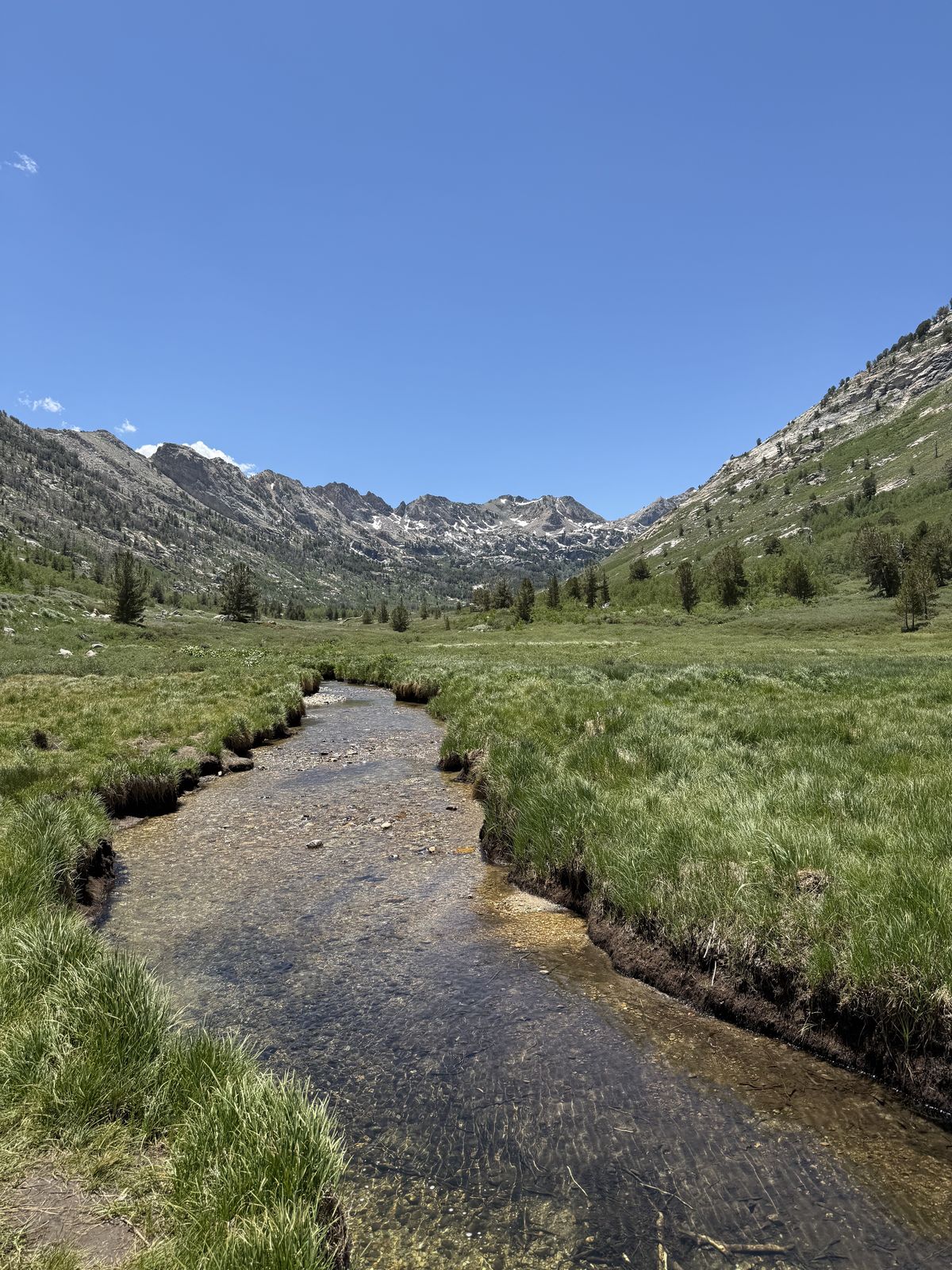
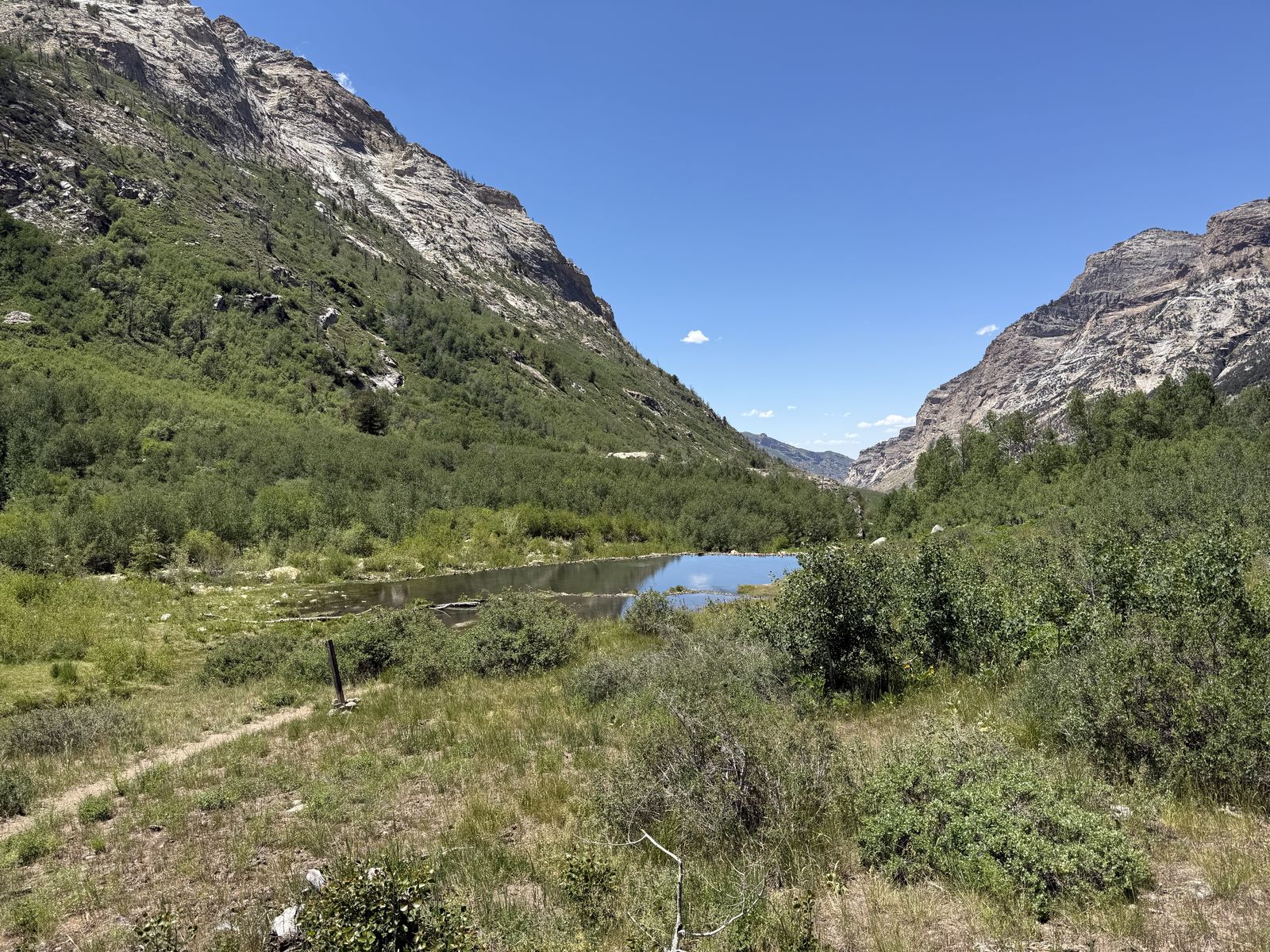
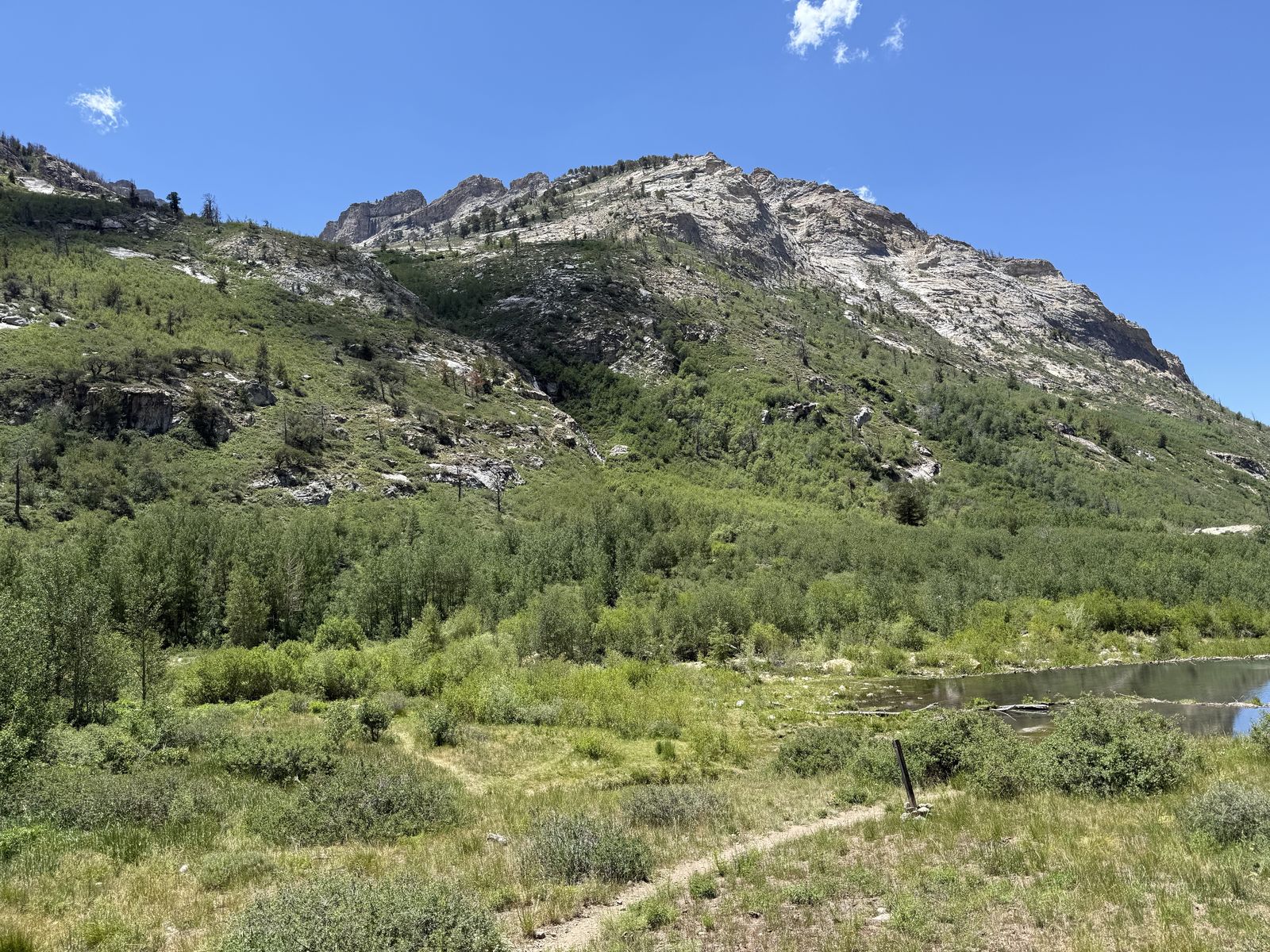
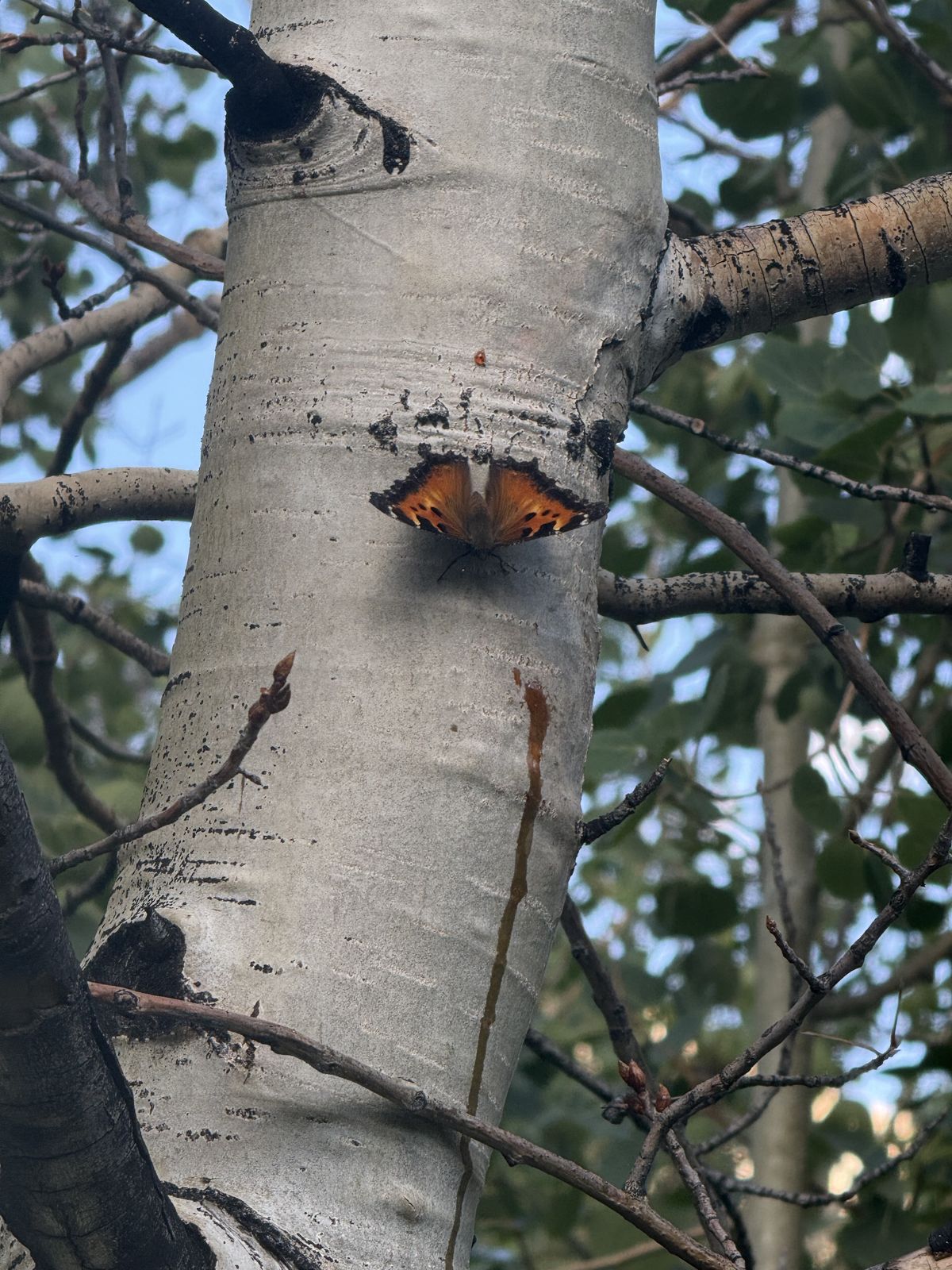
The Ruby Mountains in June, 2026
5 min read 1,026 words
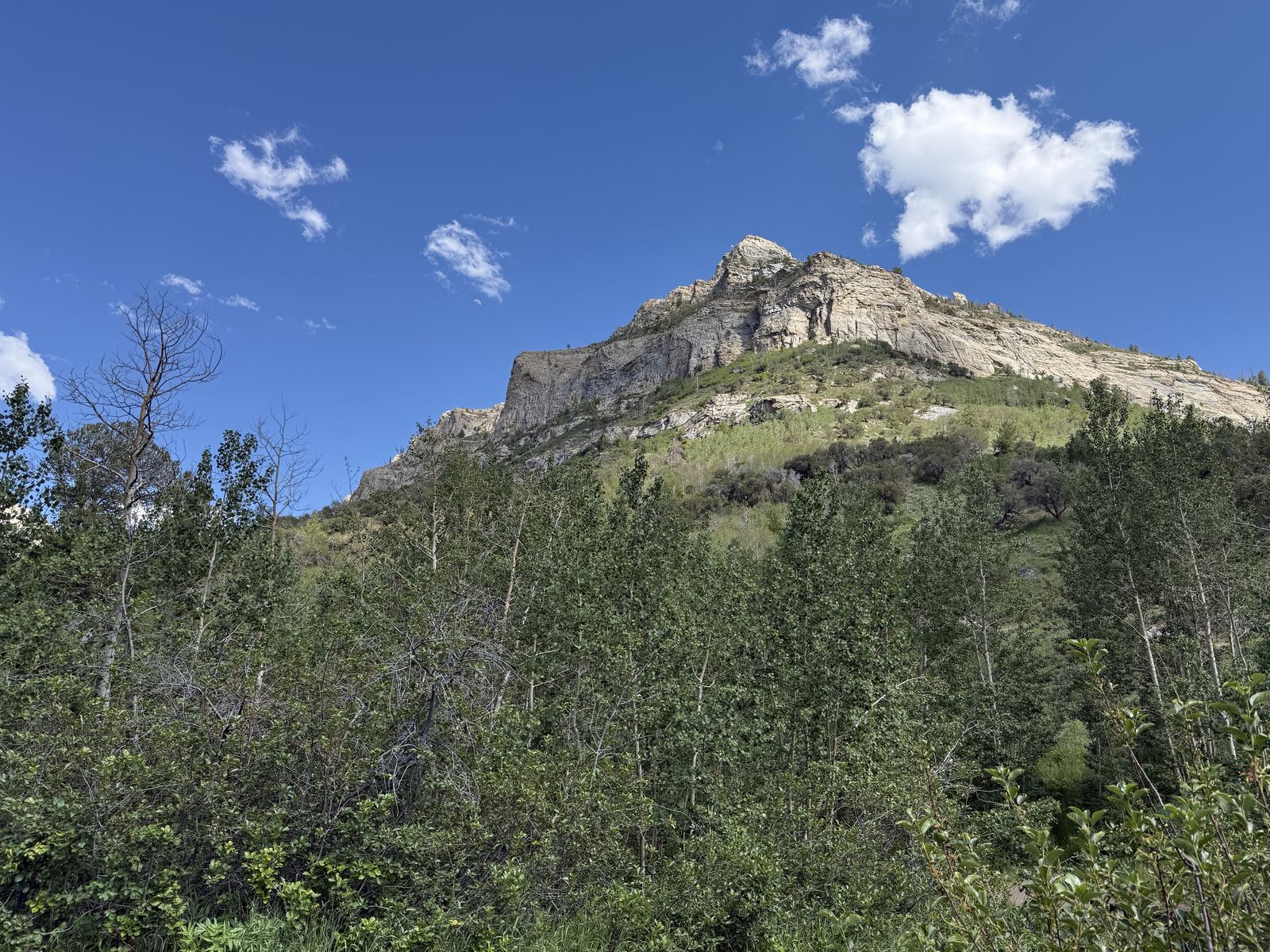
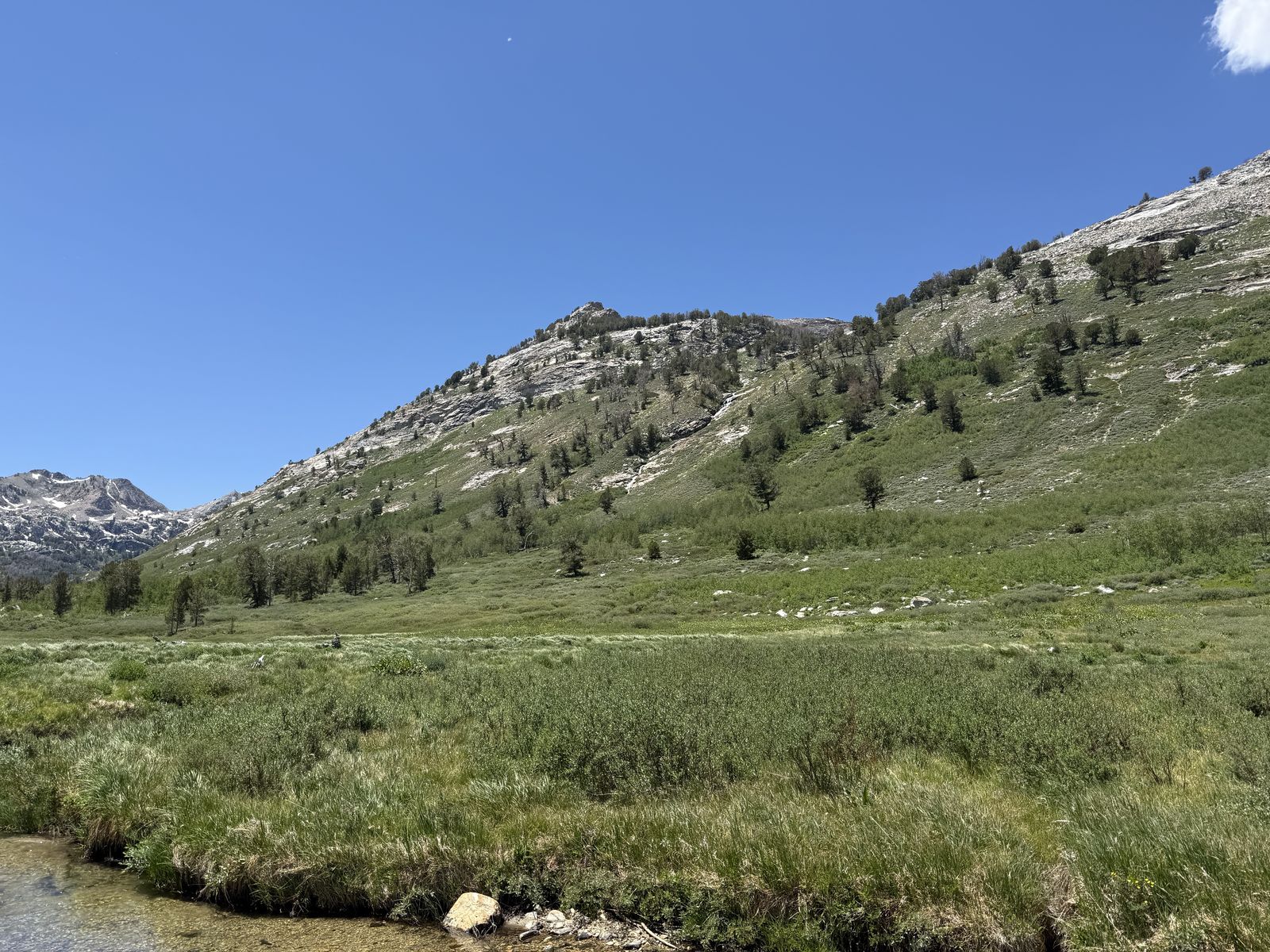
Just south of Elko, Nevada is a vast island of trees, streams, birds and bugs inside a wide sagebrush sea known as the Ruby Mountains. Most of Nevada's forest-lands are collected in the Humboldt–Toiyabe conglomerate. The Humboldt part of the name comes from a 19th Century German naturalist (what do I need in my LinkedIn profile to get this job title?), Alexander von Humboldt. He was born important because of the "von" in his name. This guy traveled throughout Spanish South and Latin America, eventually staying in "Nueva España" (Mexico) for several years, mainly around Mexico City. On the way back to Europe he basically texts President Tom Jefferson to see if can drop in on him at Washington to talk fossils.
See, TJ was spending a decent amount of time rage-posting (rage-ledgering?) against a theory known at the time as "American Degeneracy", which said that the "colder/wetter" temperatures of the Western Hemisphere caused flora and fauna to become small. Humboldt backed Jefferson in this debate and bolstered their position with fossilized teeth of mammoth he found while at the equator. TJ didn't listen to Alex about slavery, though, which makes me think of other theories of American Degeneracy...that are true, then and now.
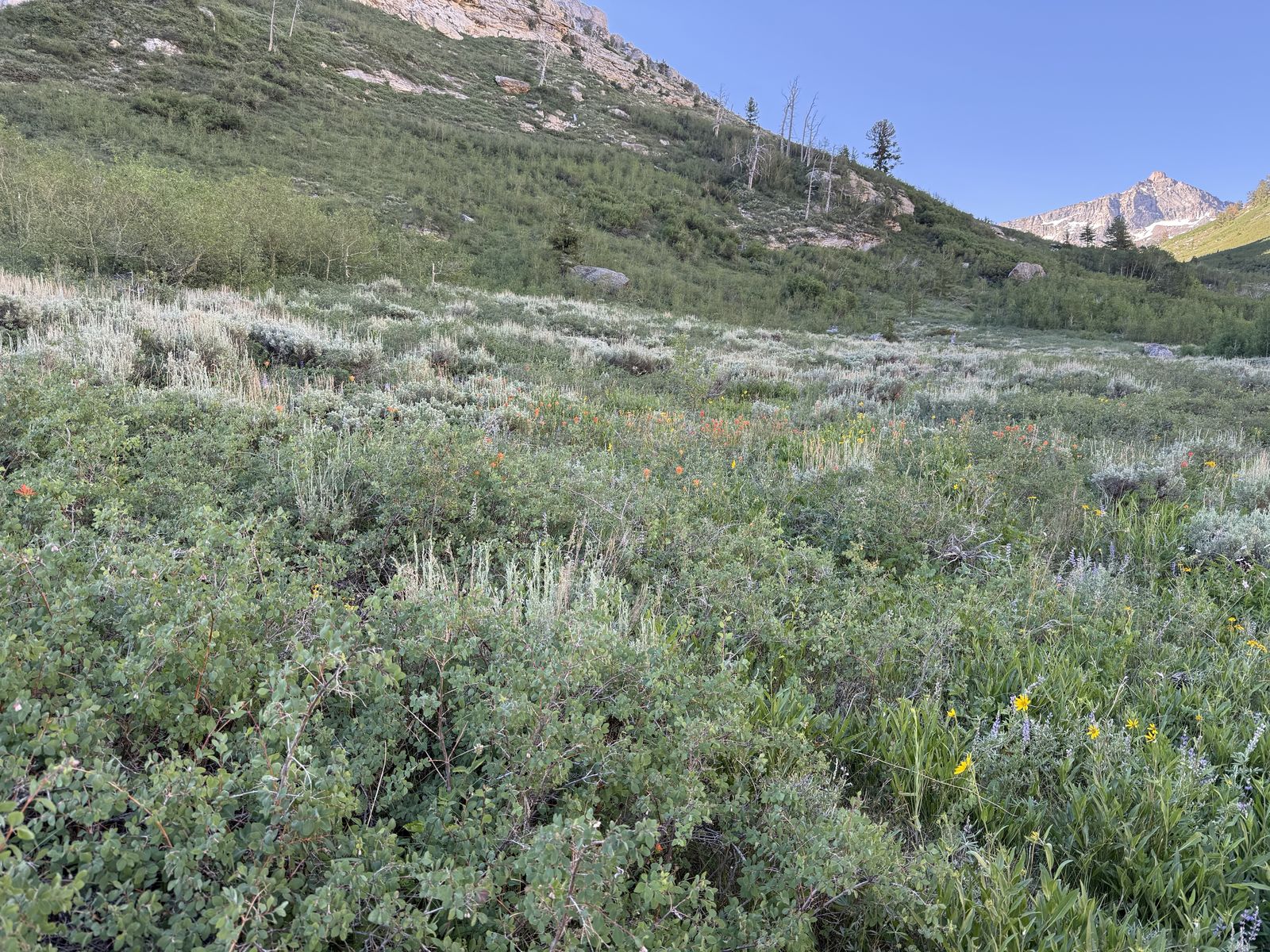
Clearly, these adherents to the "Cloudy-day shrinkage theory" of biological development had not spent much time in the Great Basin of the United States, circa 2026, amidst a record-breaking El Niño season. Jack rabbits should be 12 feet tall here. Coming from the East, as you traverse through northern Nevada towards Elko on Highway 80, each basin and range takes you a little higher, a little bit further from the desolate salt flats and up into something that approximates a montane landscape with the corresponding drop in mercury. Toyiabe is the Shoshone (Newe) word for "mountain".
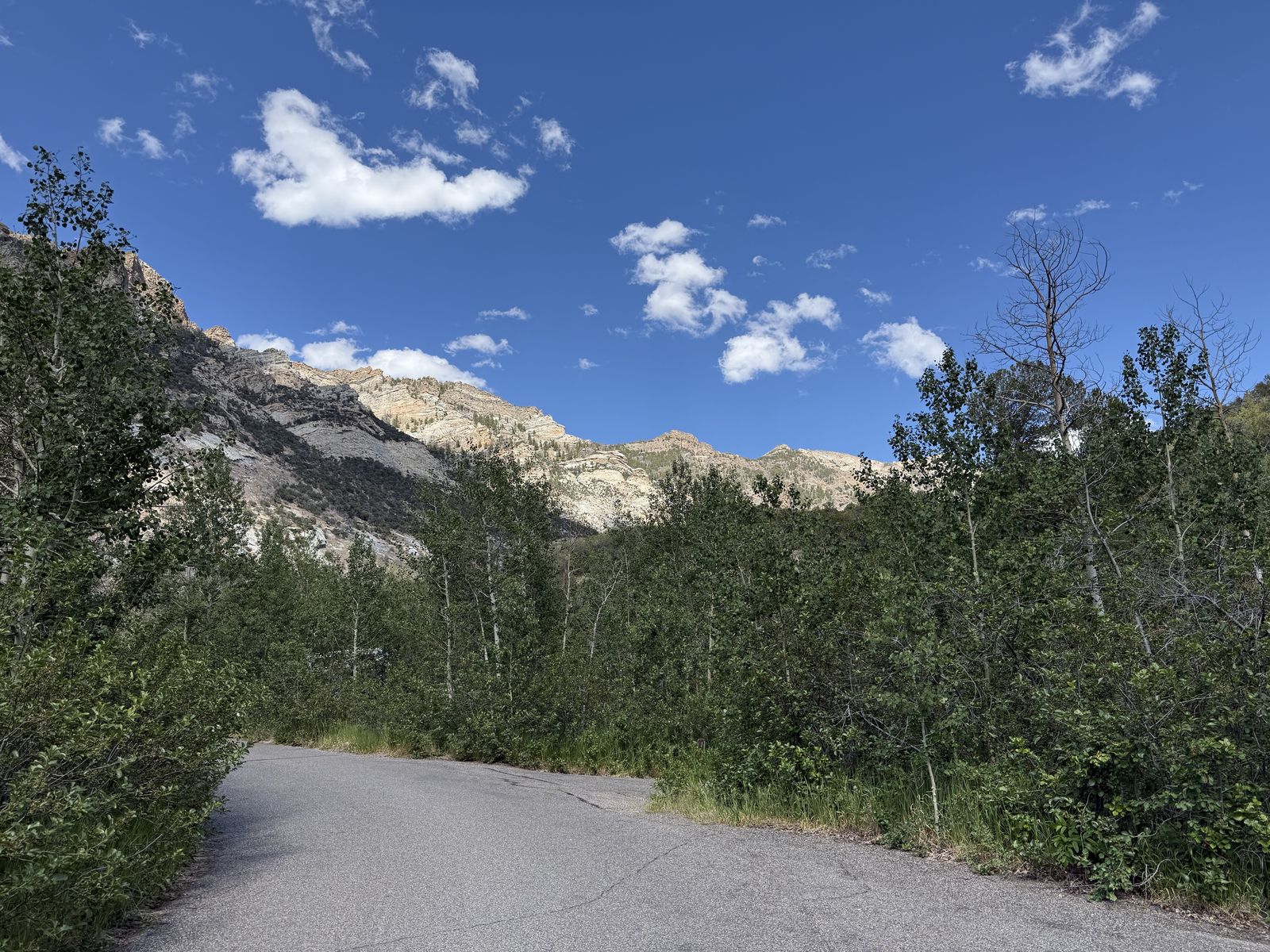
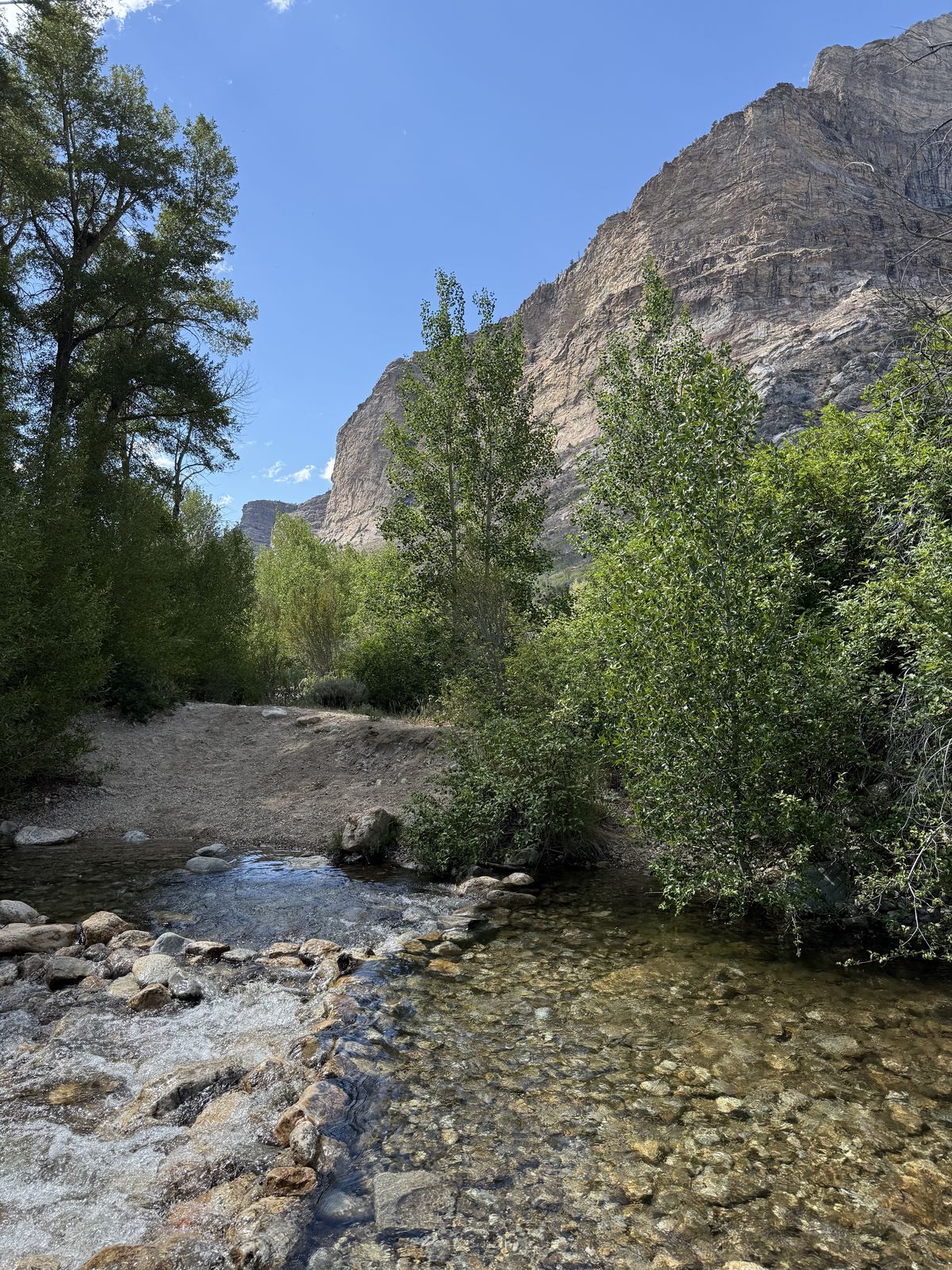
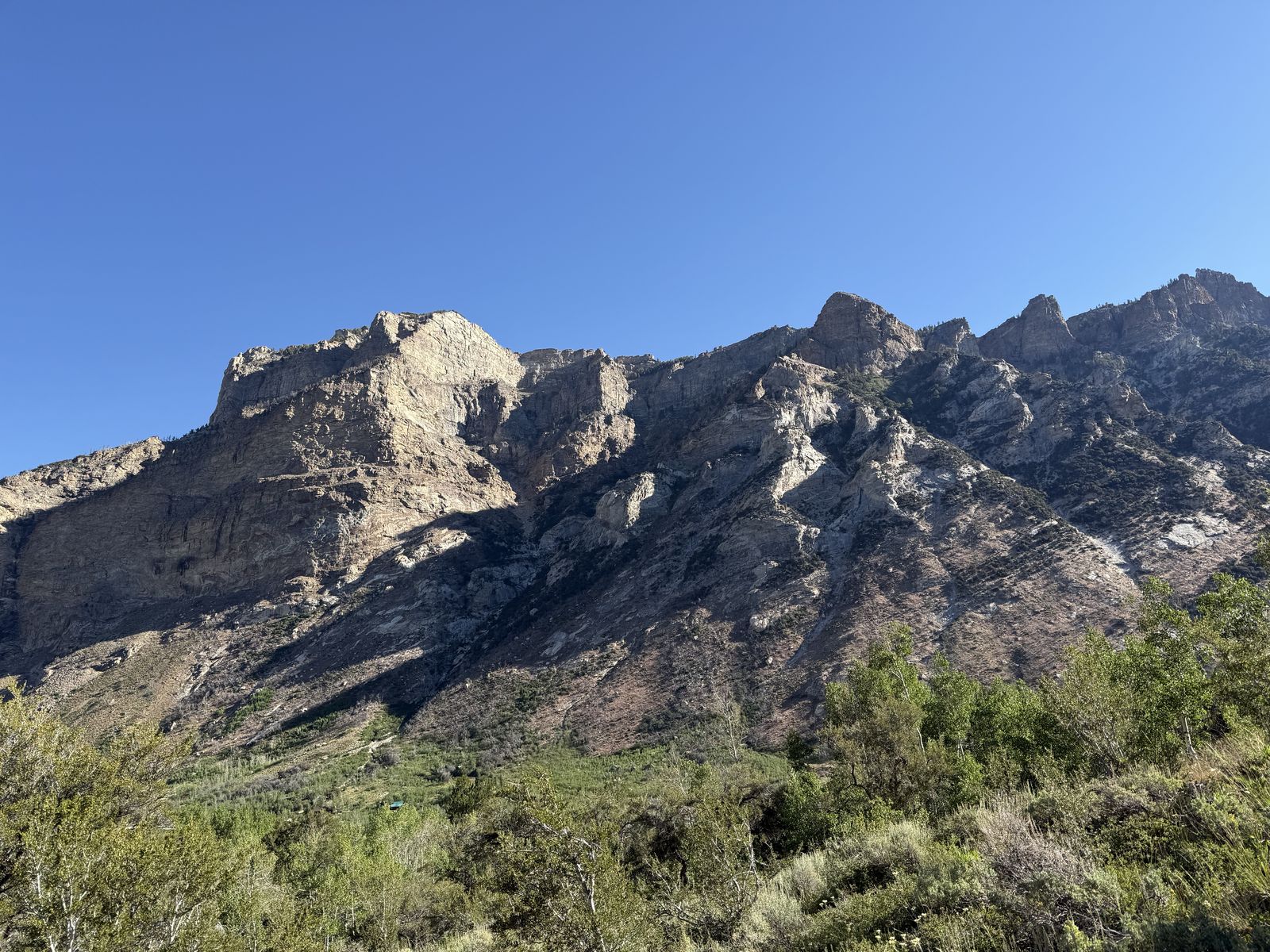
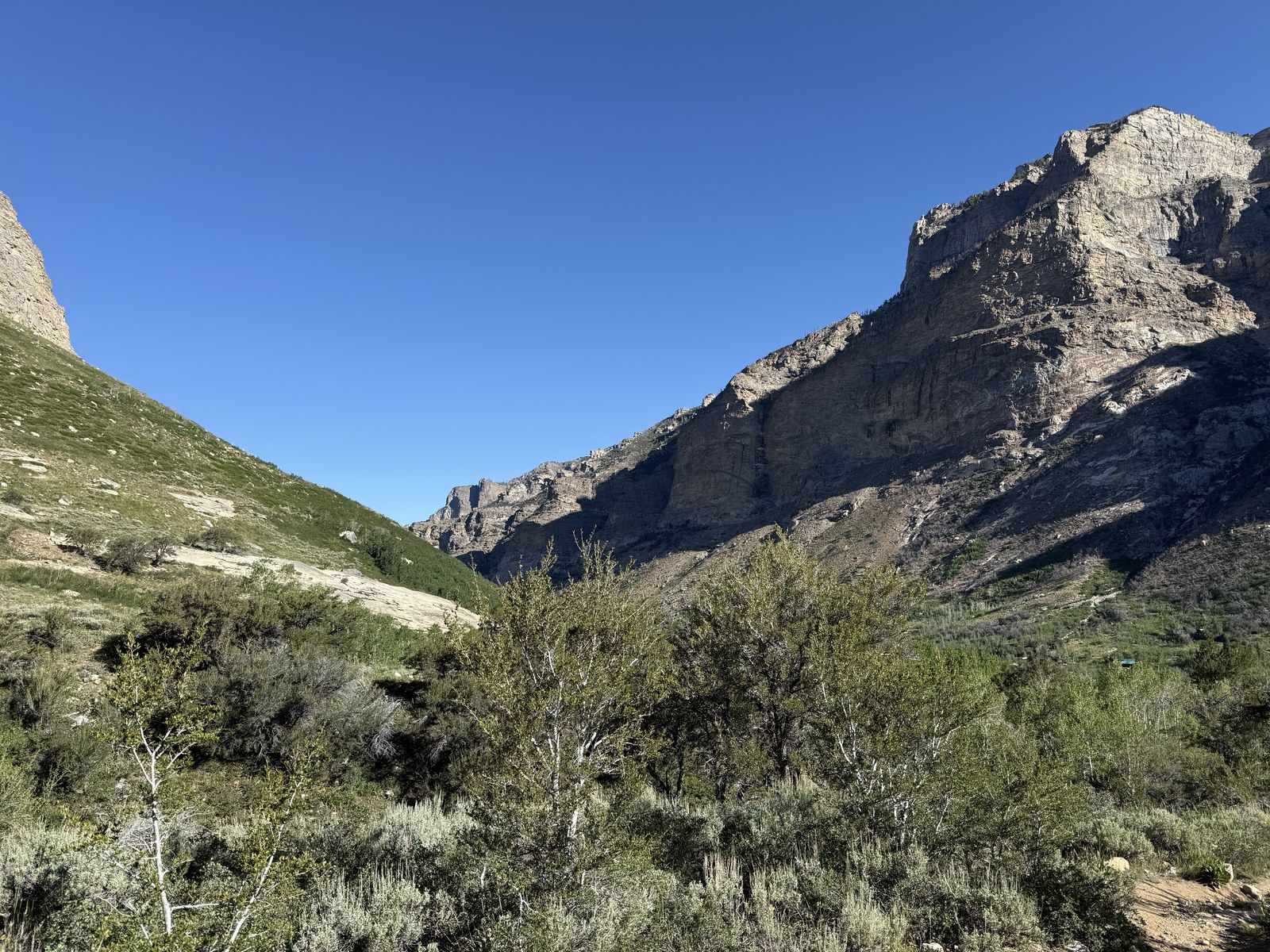
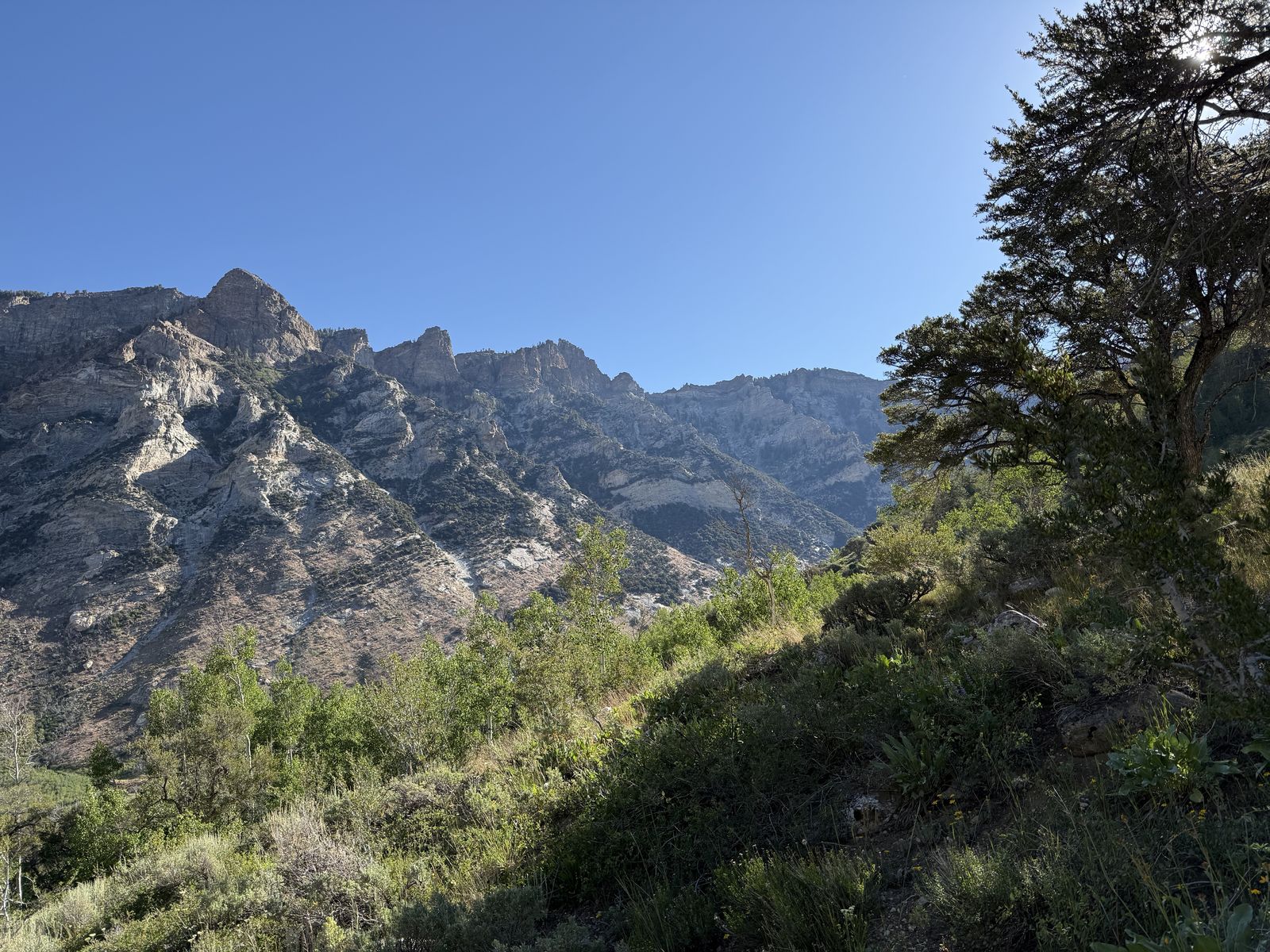
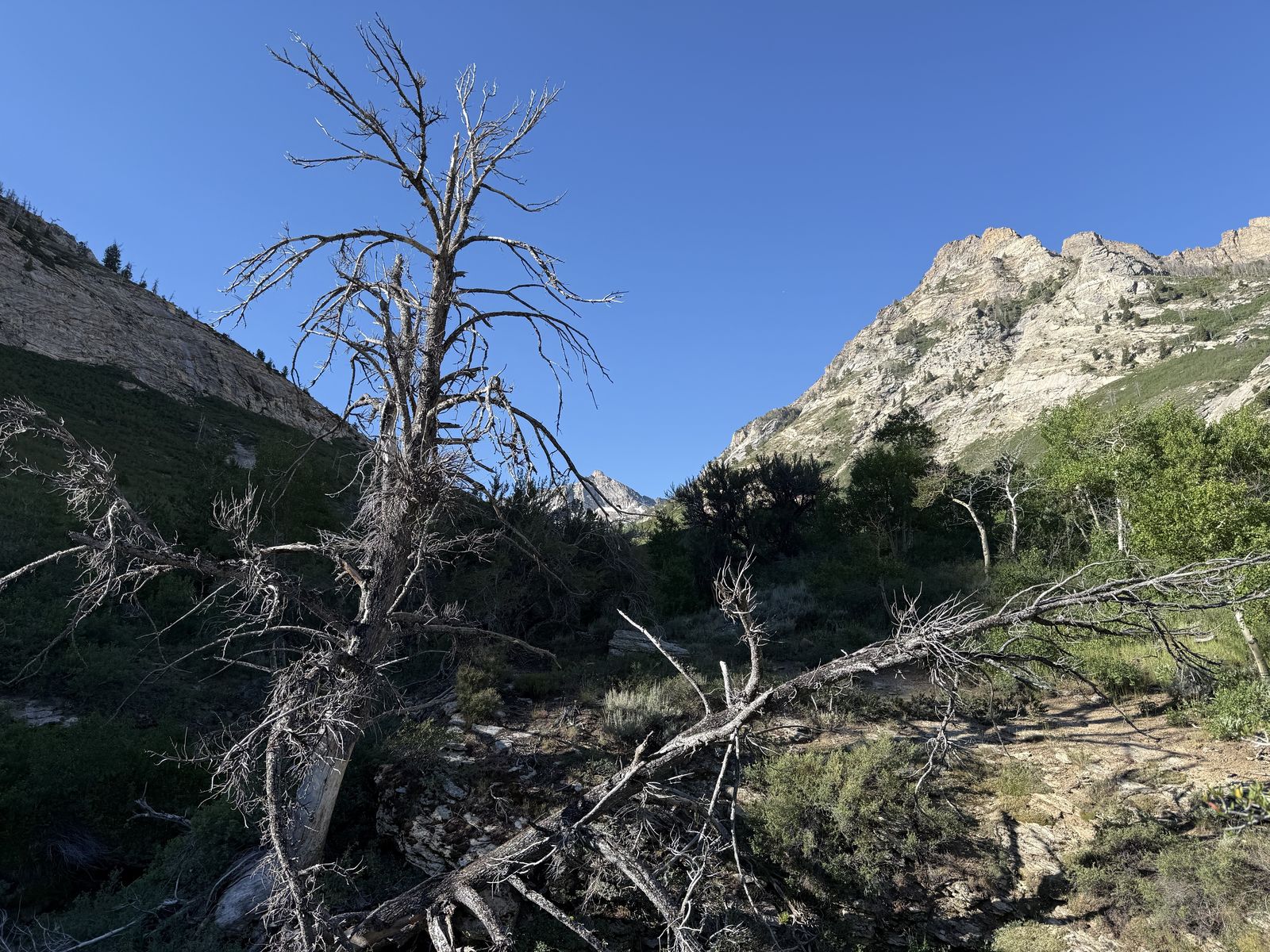
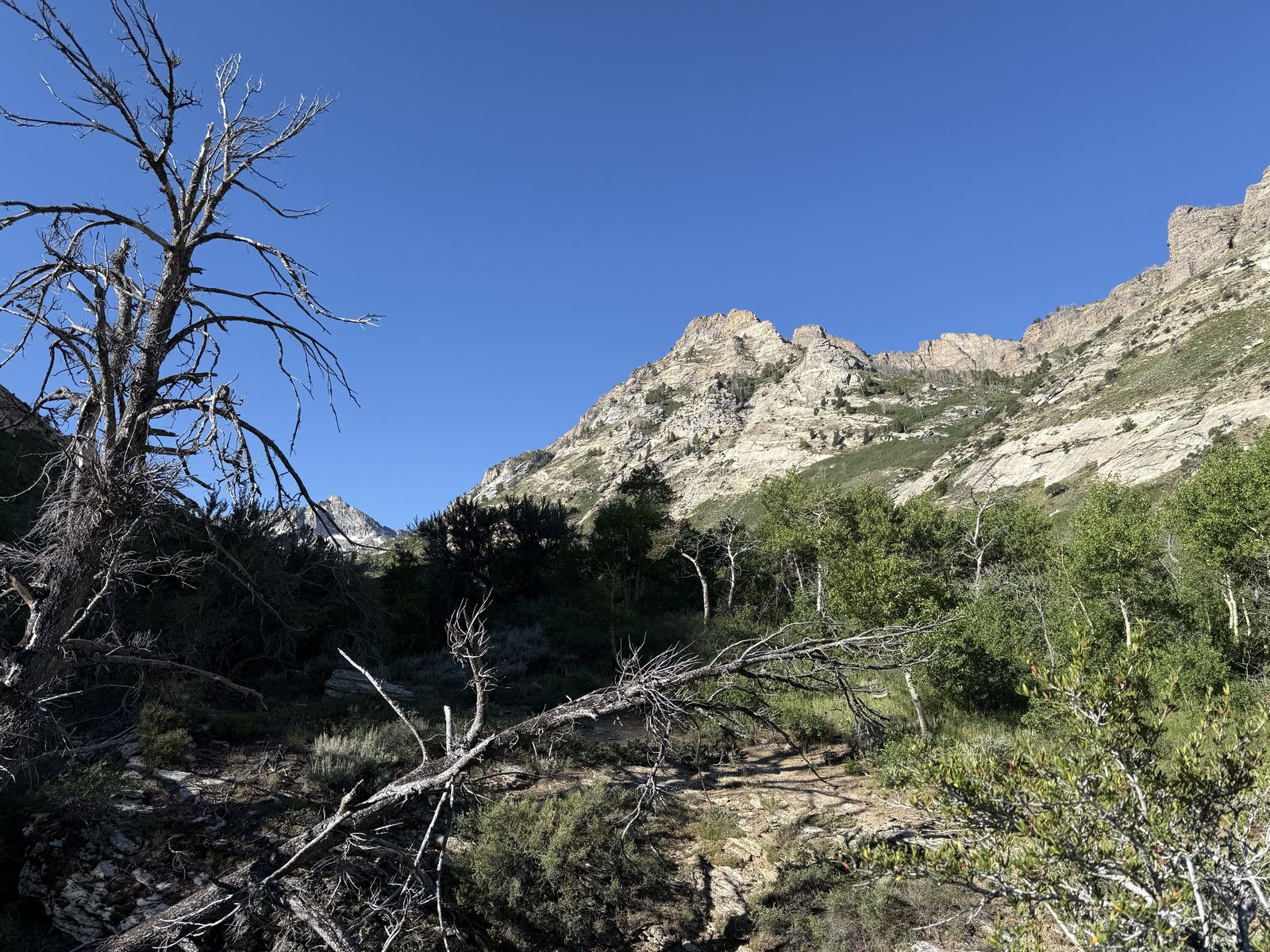
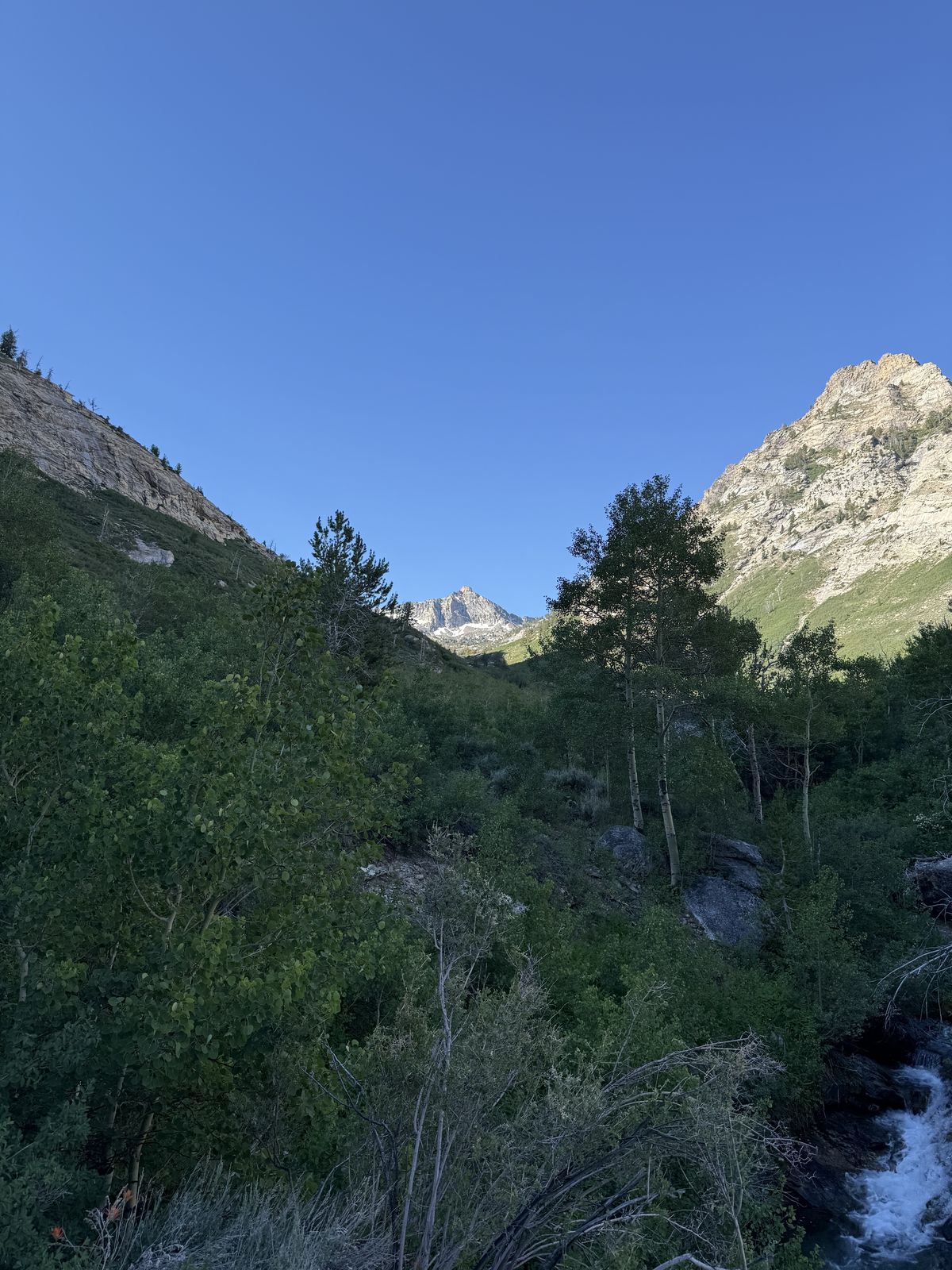
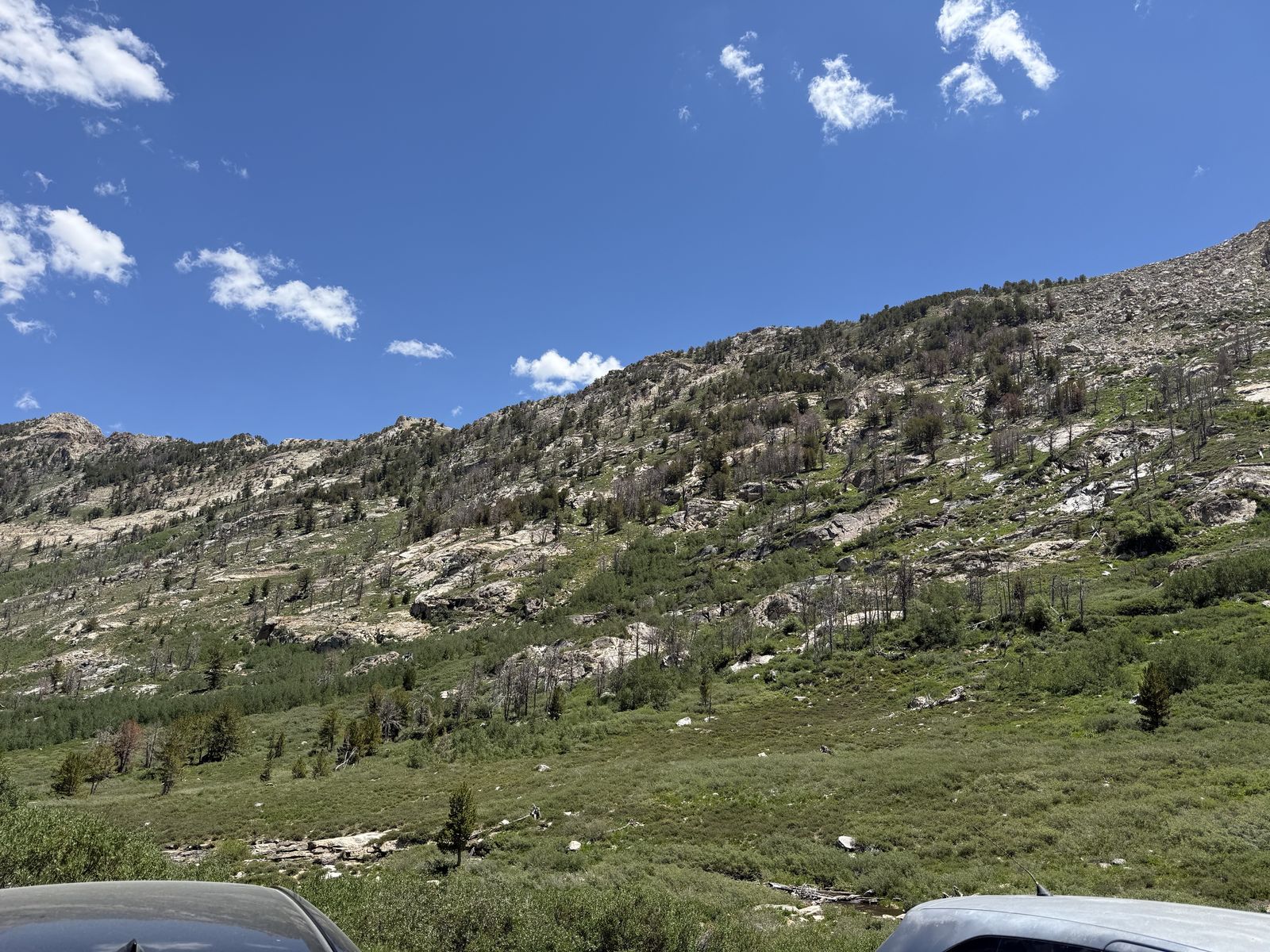
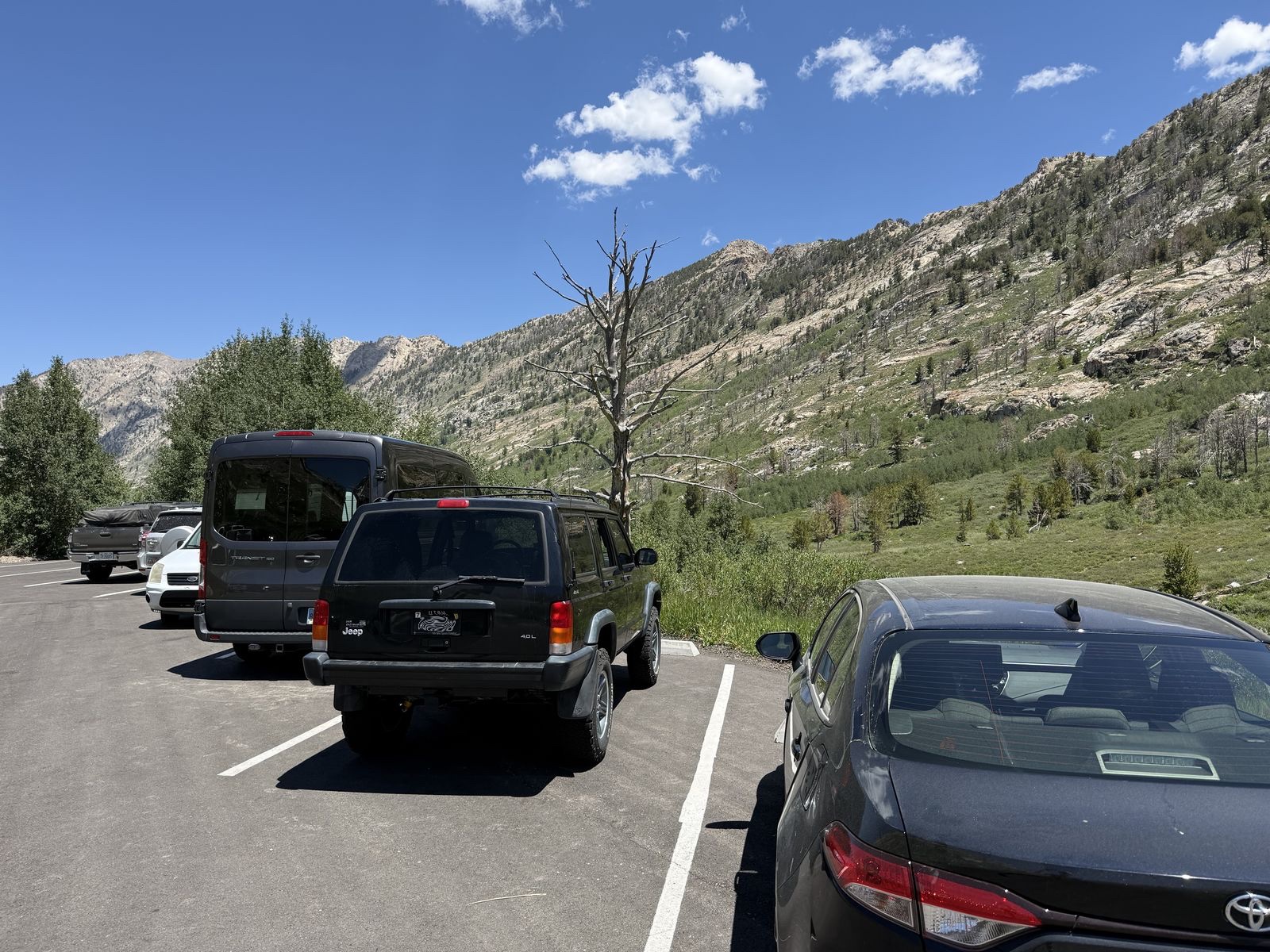
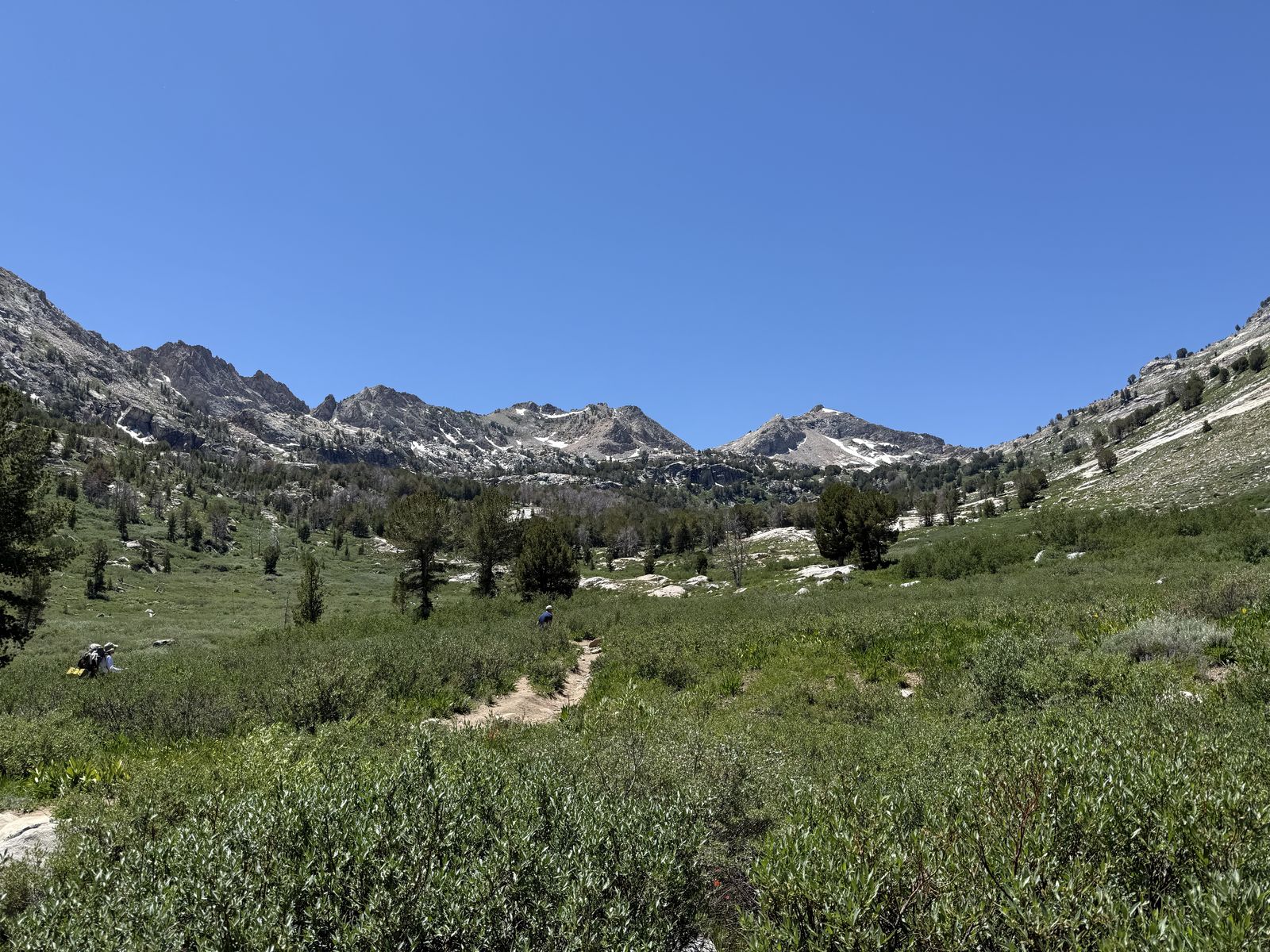
The drive up Lamoille Canyon road is easy. It's paved and not an an extreme grade. It's an out-and-back road that has a terminus at the Ruby Crest National Recreational Trail's head. This canyon is referred to by some (the Nevada tourism department) as the "Yosemite of Nevada". It is a spectacular drive. Lamoille evidently comes from an early settlers fondness of a French typographical error about the area that came to known as Vermont. History just seems arbitrary at some point.
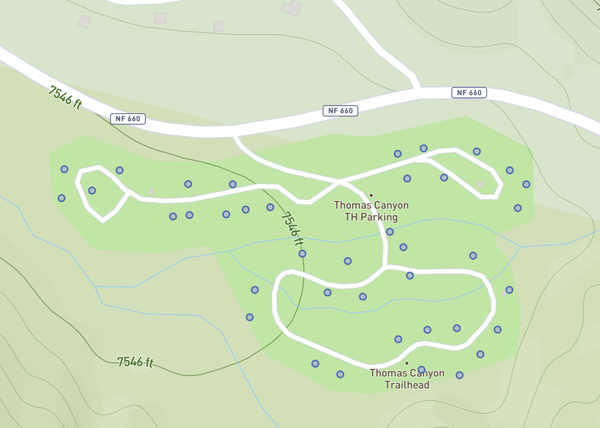
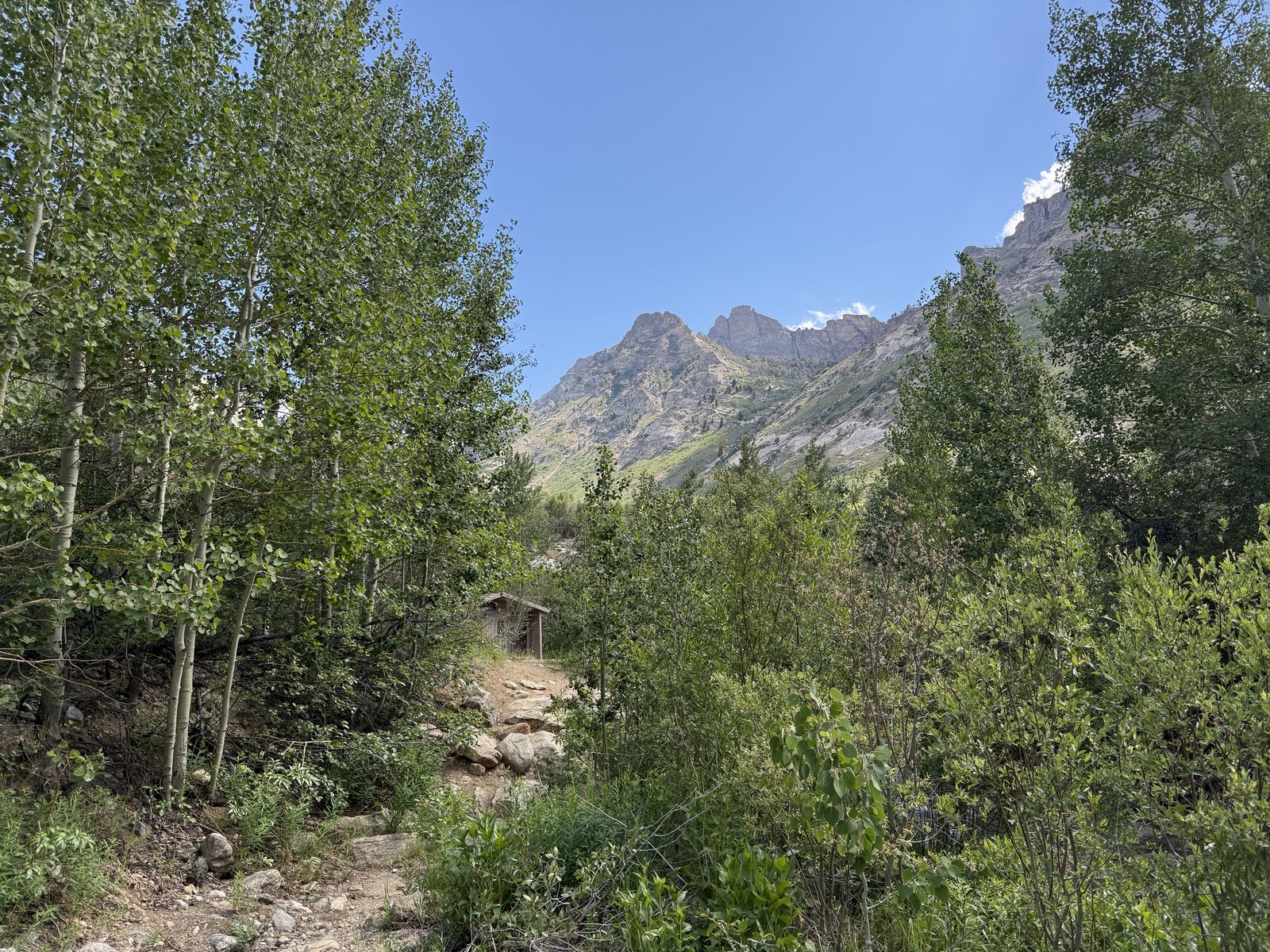
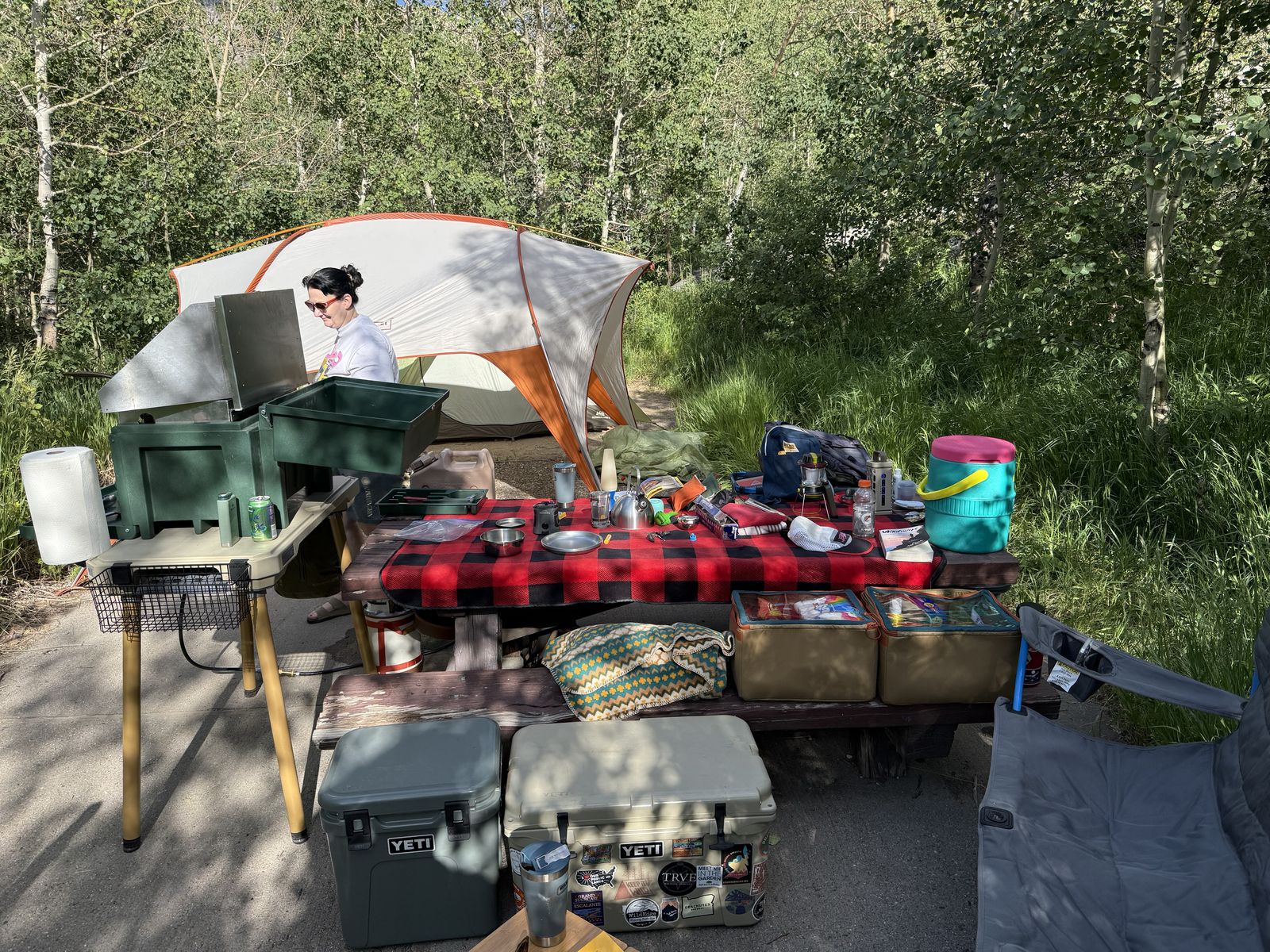
We camped at Thomas Canyon Campground, at a site somewhere in the 20s or 30s. That just meant it was hugging the canyon, close to the trail. The lower numbered sites are closer to the road and a little more in the sun. Our campground sits at around 7550ft in elevation and had good separation between each individual site. The sun was intense in the middle of the day, but since the canyon was fairly narrow, you start getting decent shade around 4-5pm.
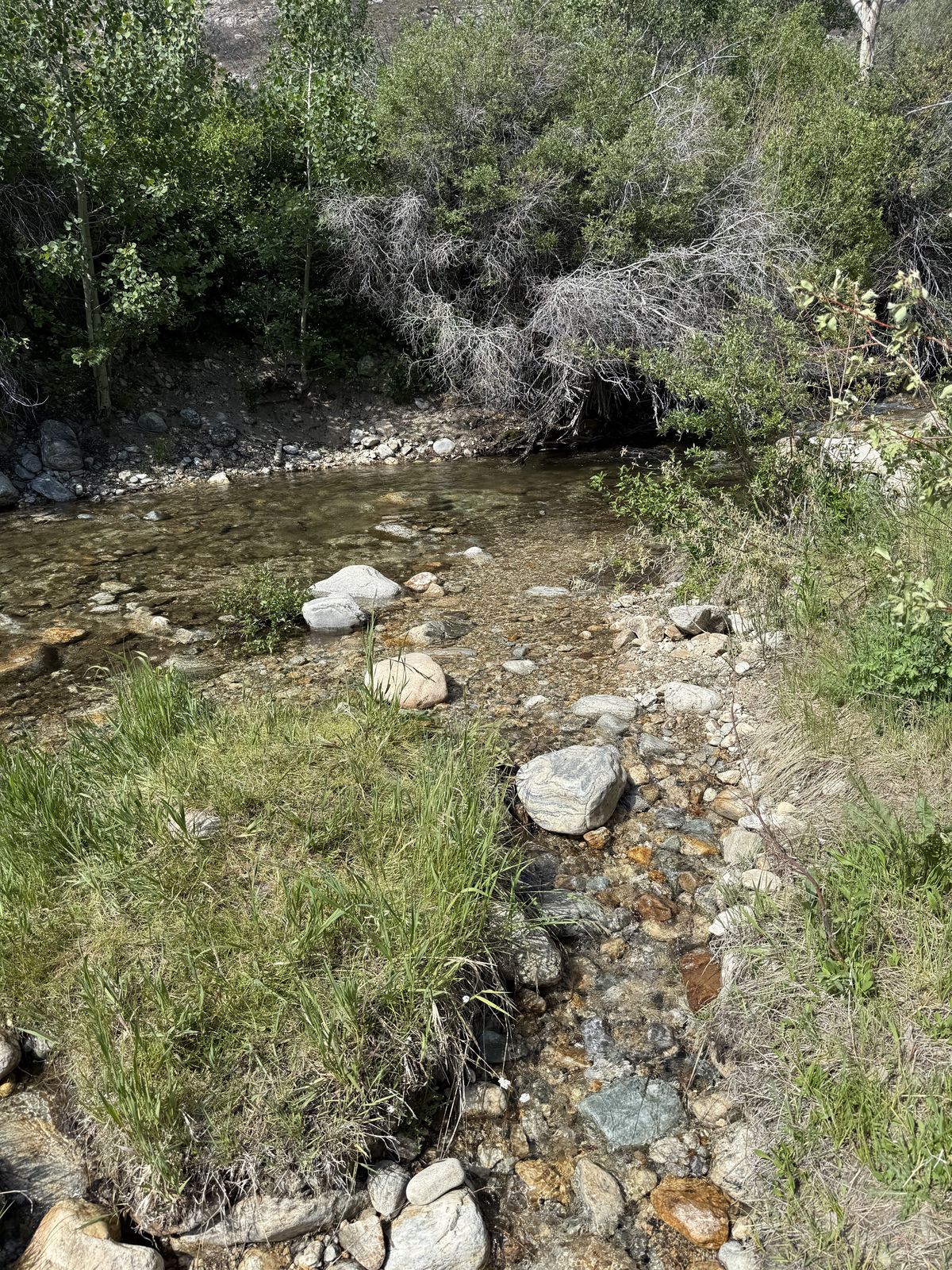
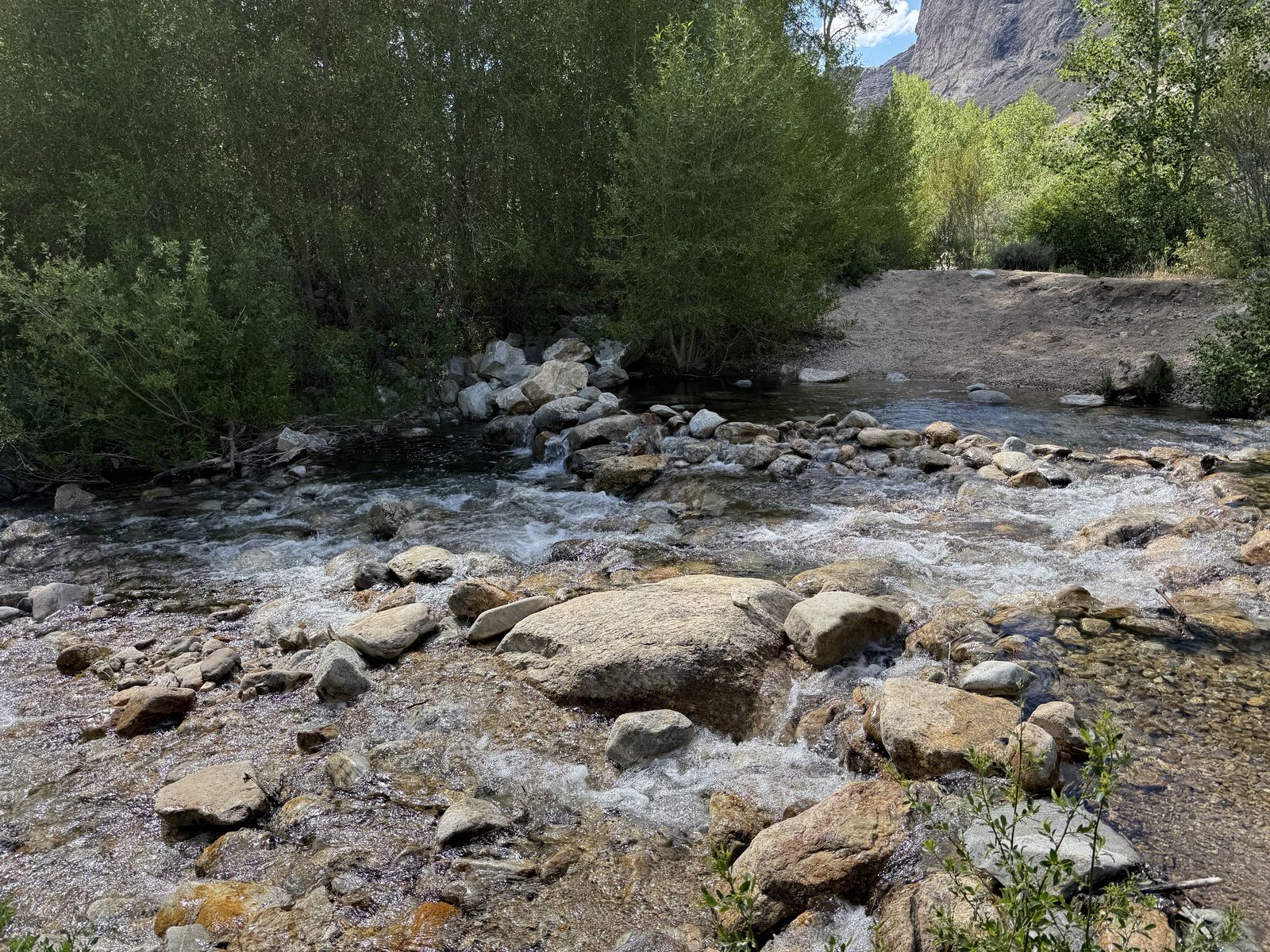
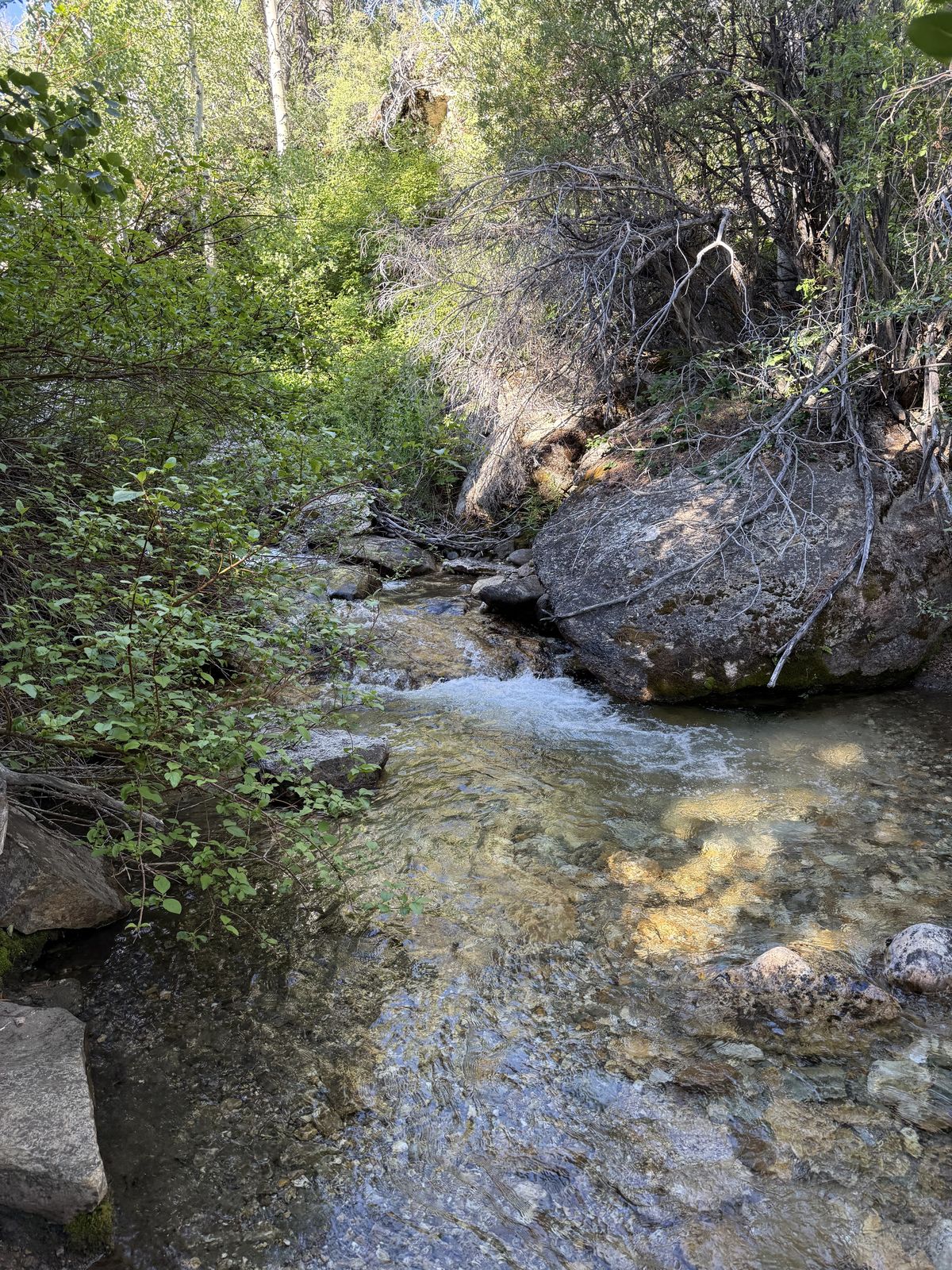
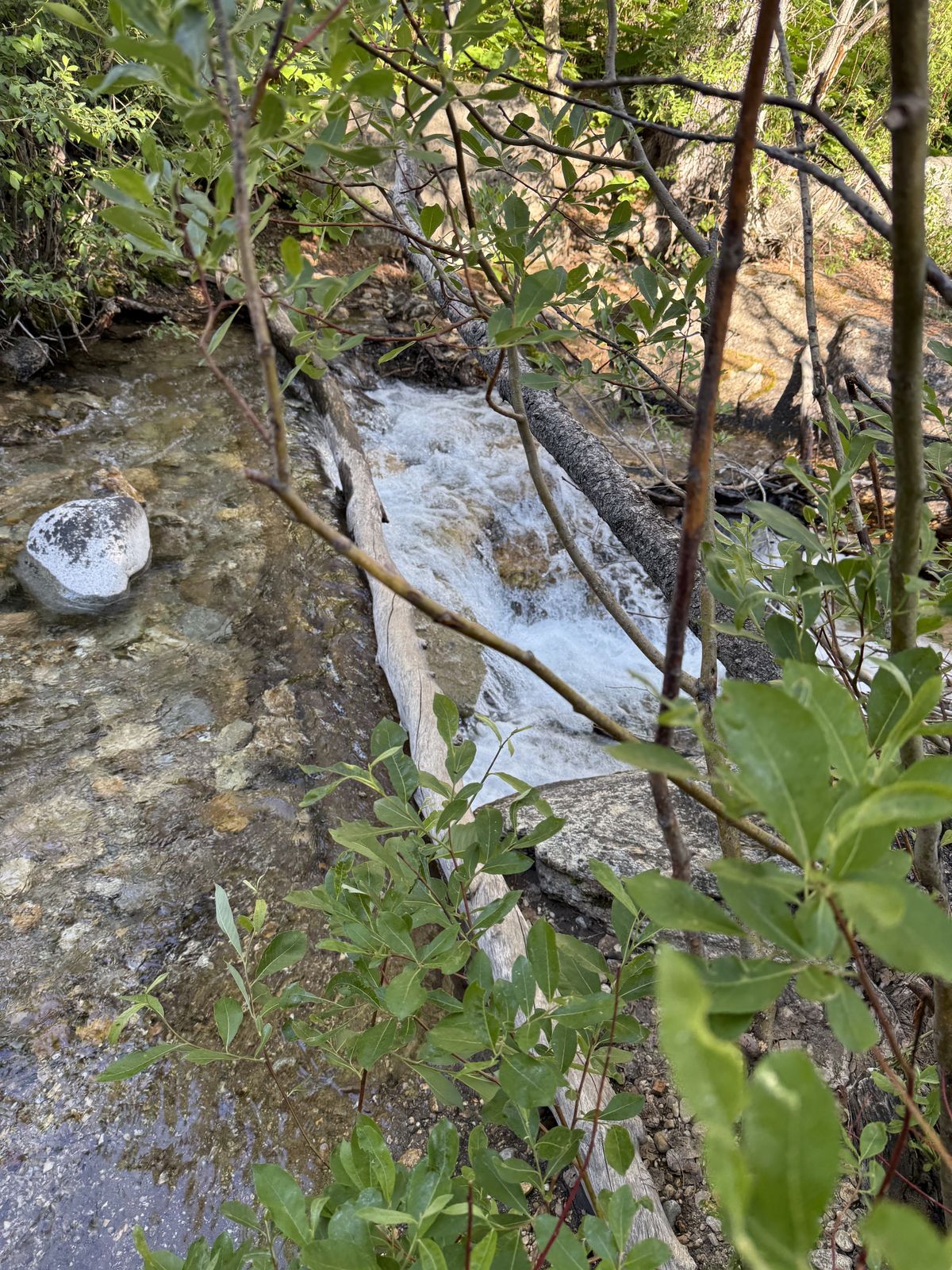
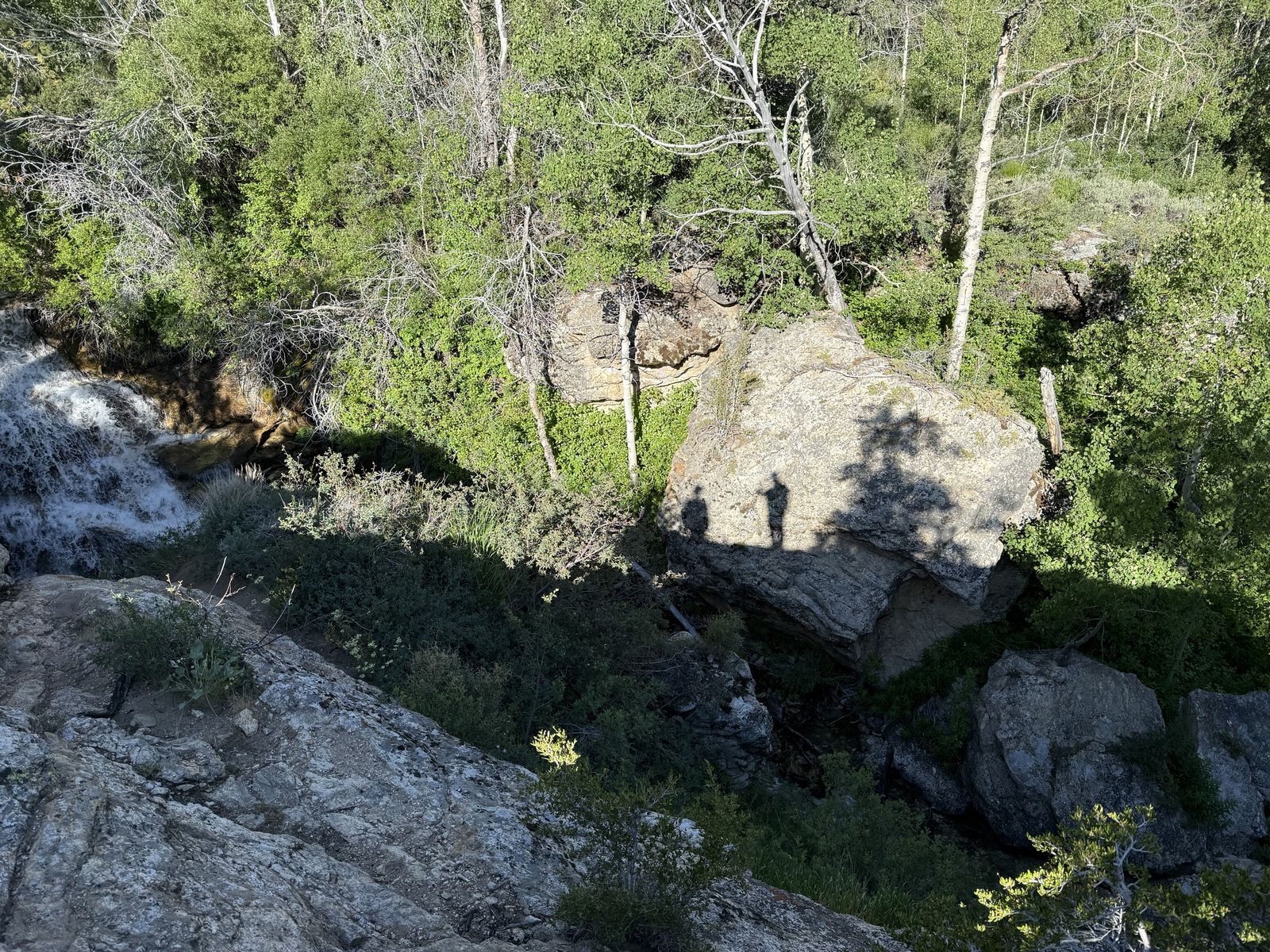
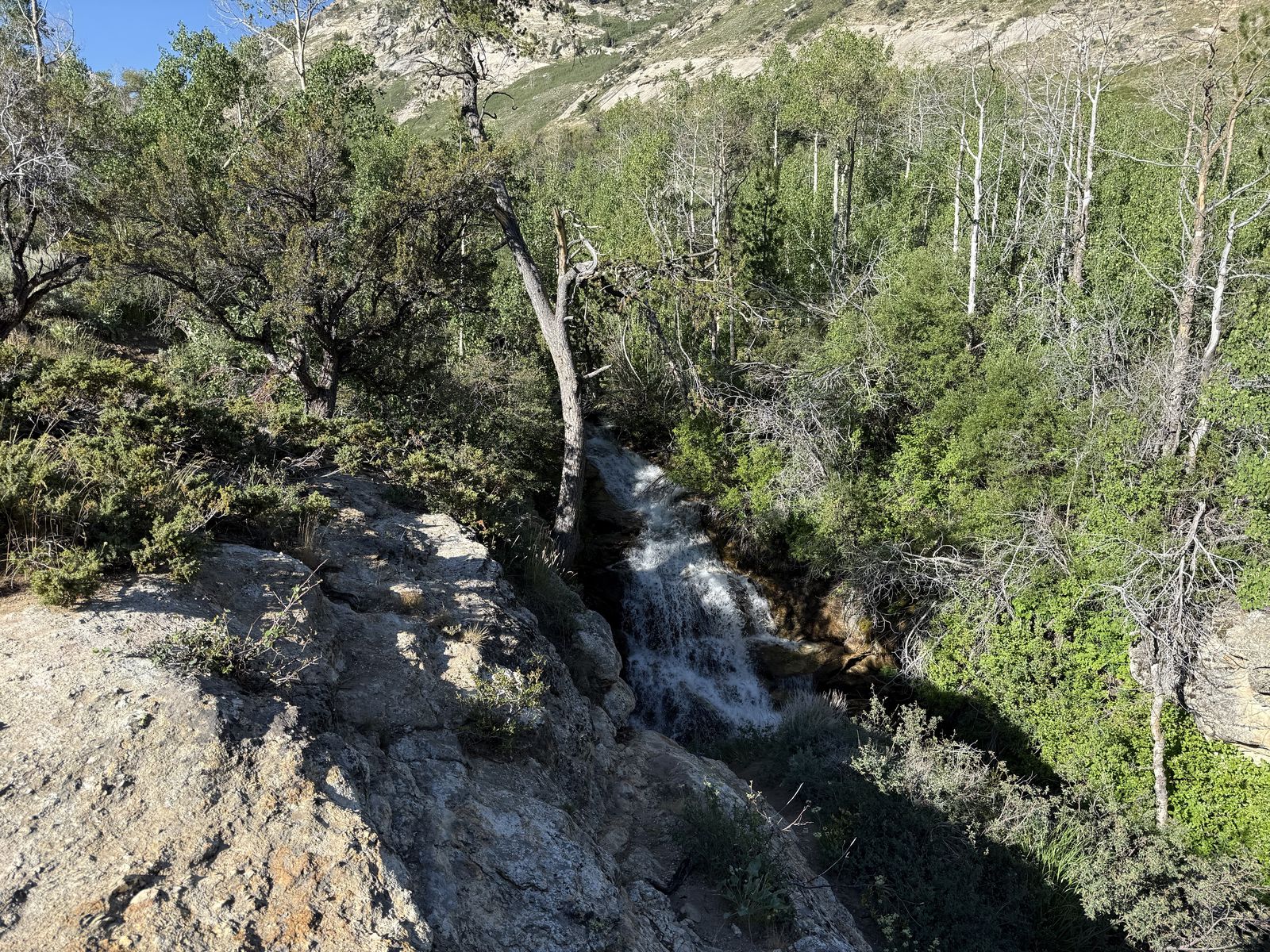
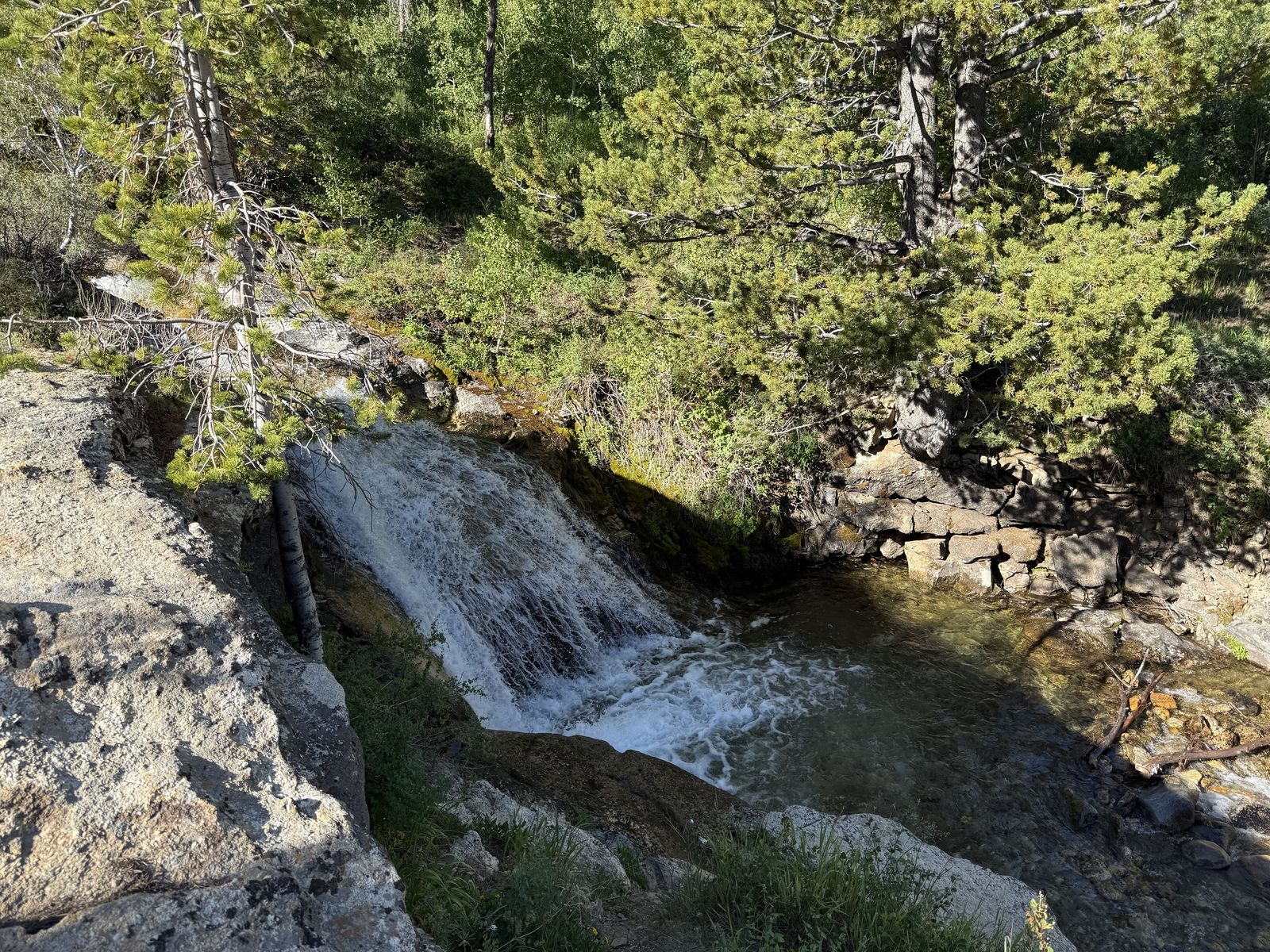
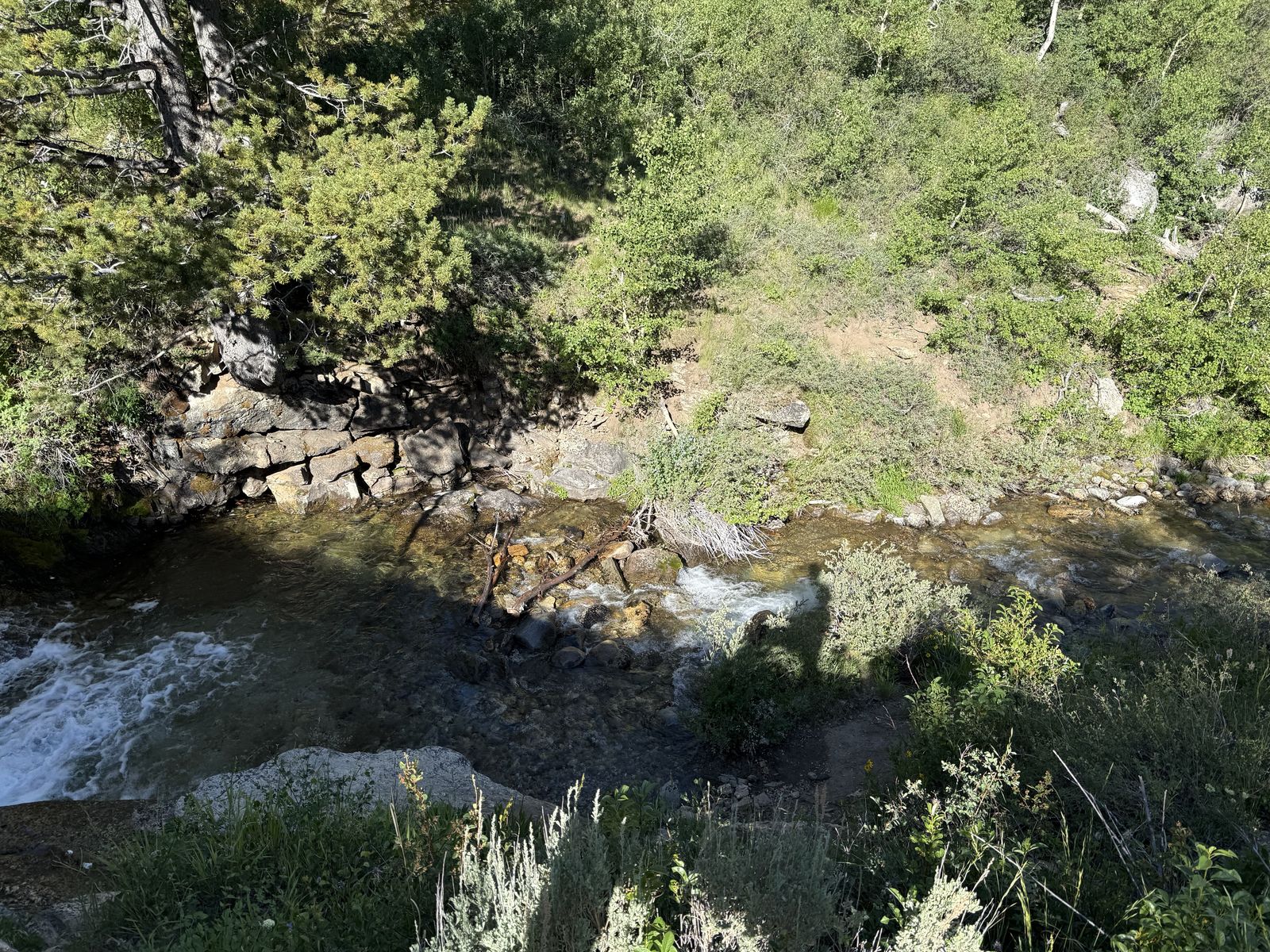
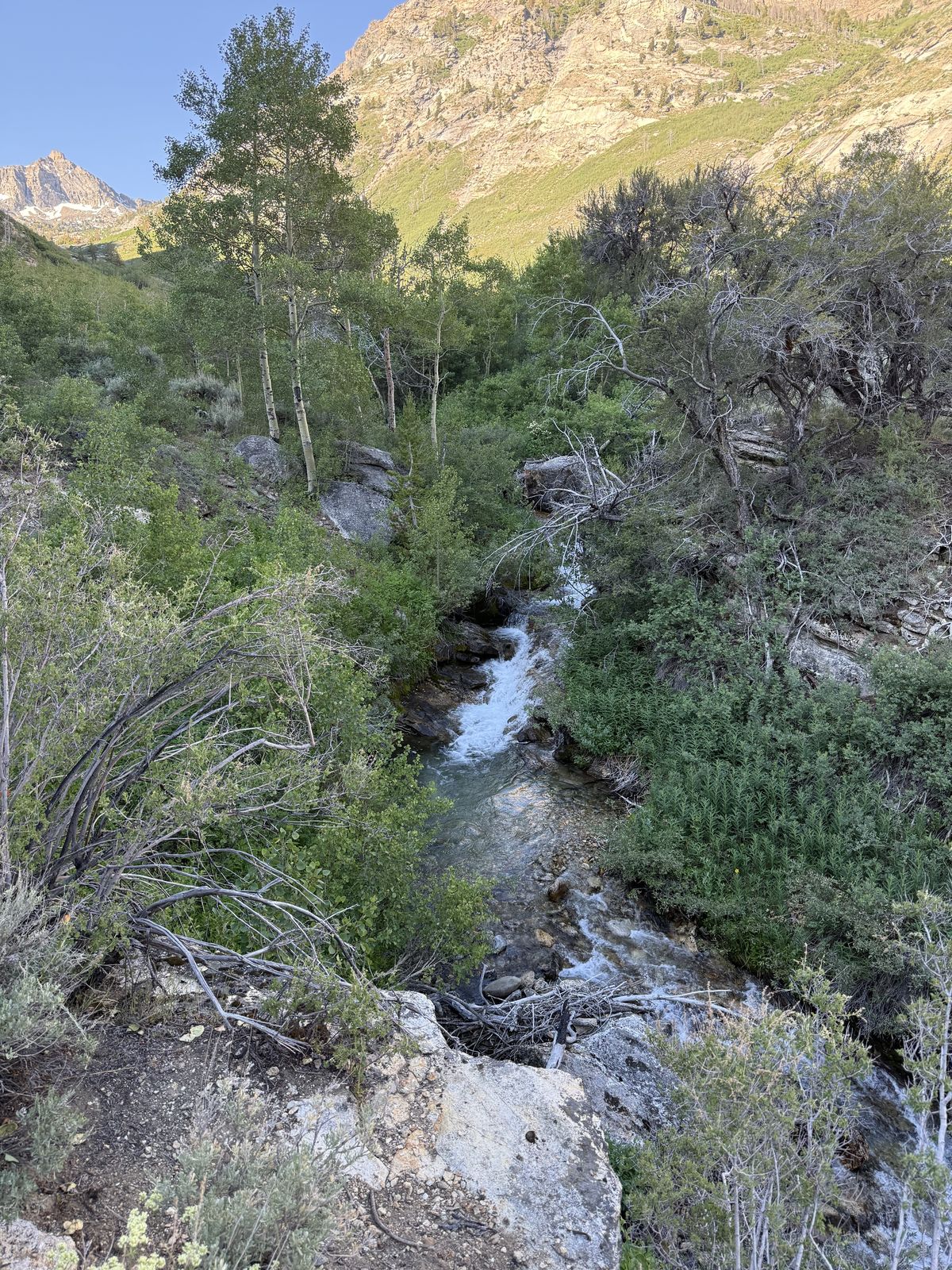
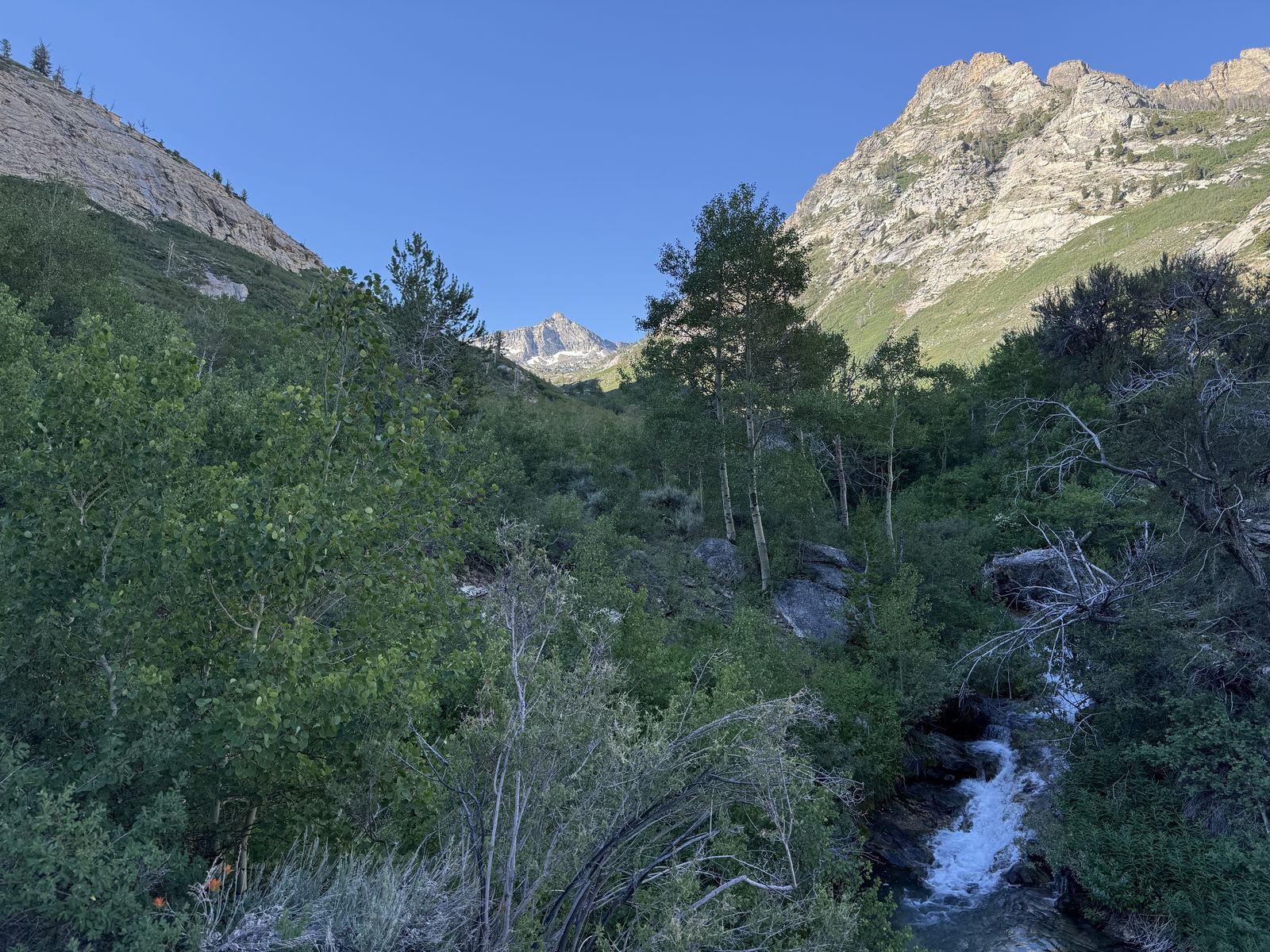
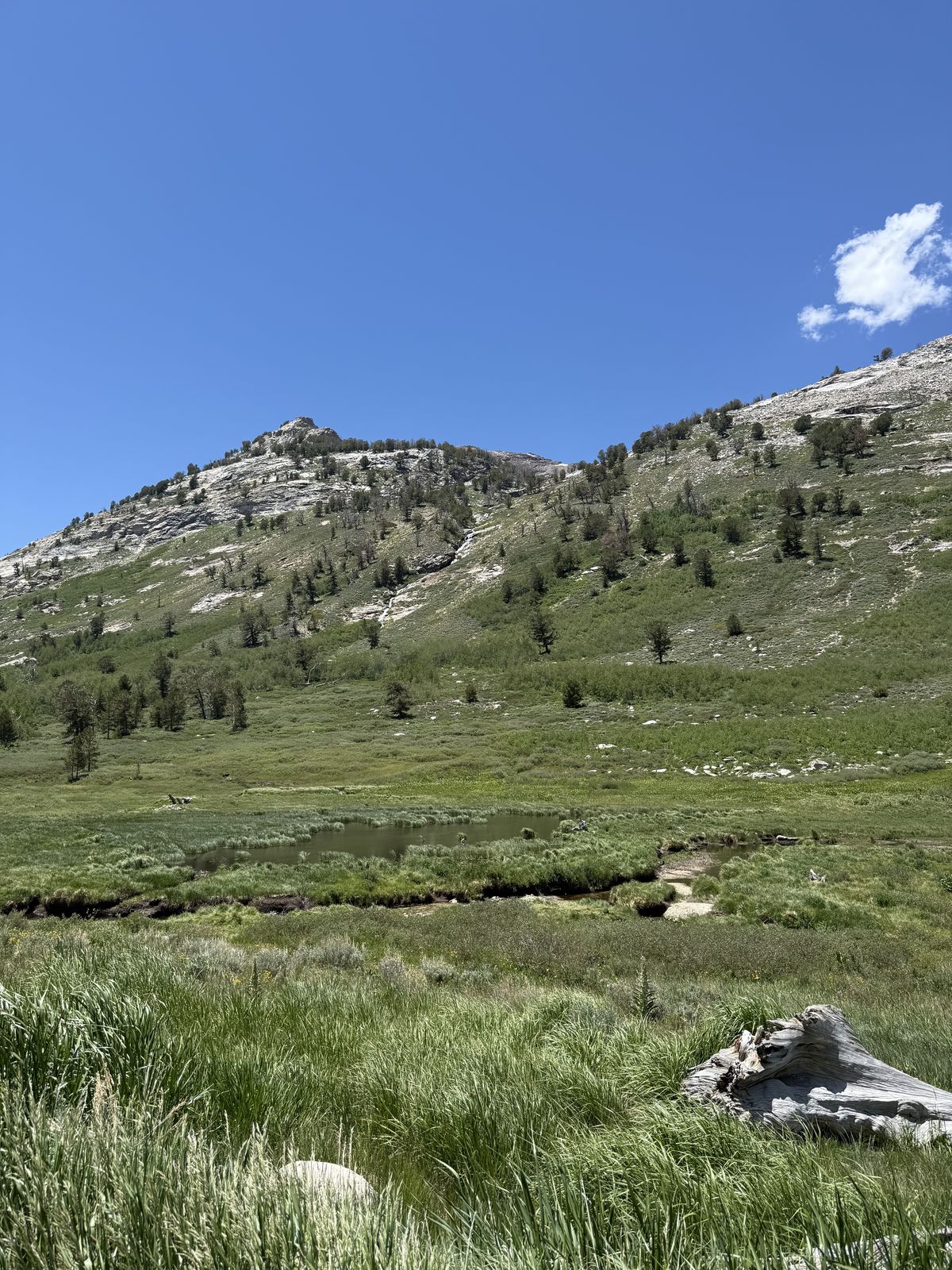
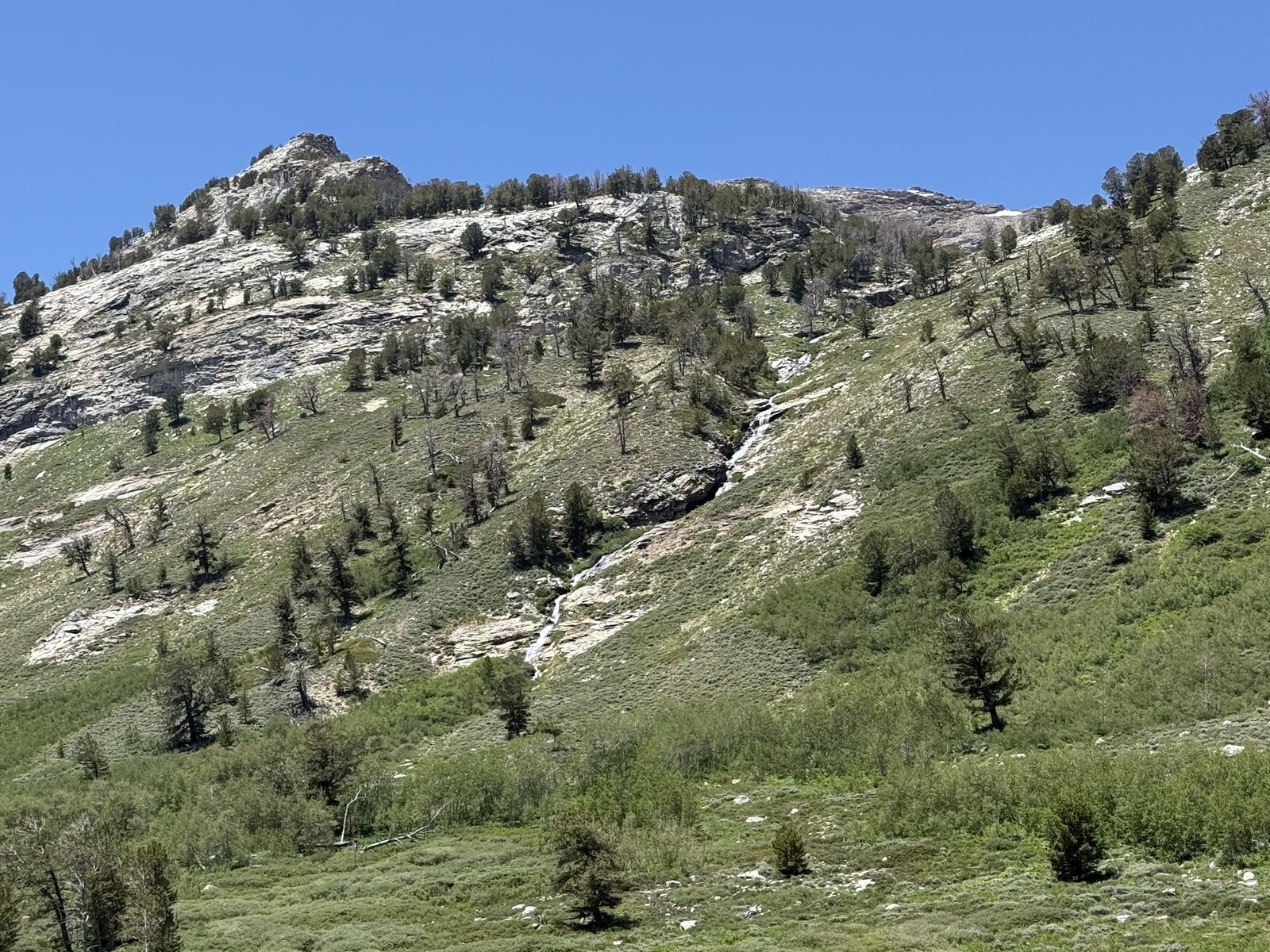
For June, it seemed like a lot of Northern Nevadans were ready to hit the mountains and have a little early summer hoe-down. That was fine for us; the plentiful aspen and roaring creek kept their sounds at bay. The Creek, as mentioned, was flowing strong in this month. That waterway being the Lamoille Creek. The Thomas Canyon creek also had strong flow, with several waterfalls easily visible from the aforementioned trail that starts right in this campground.
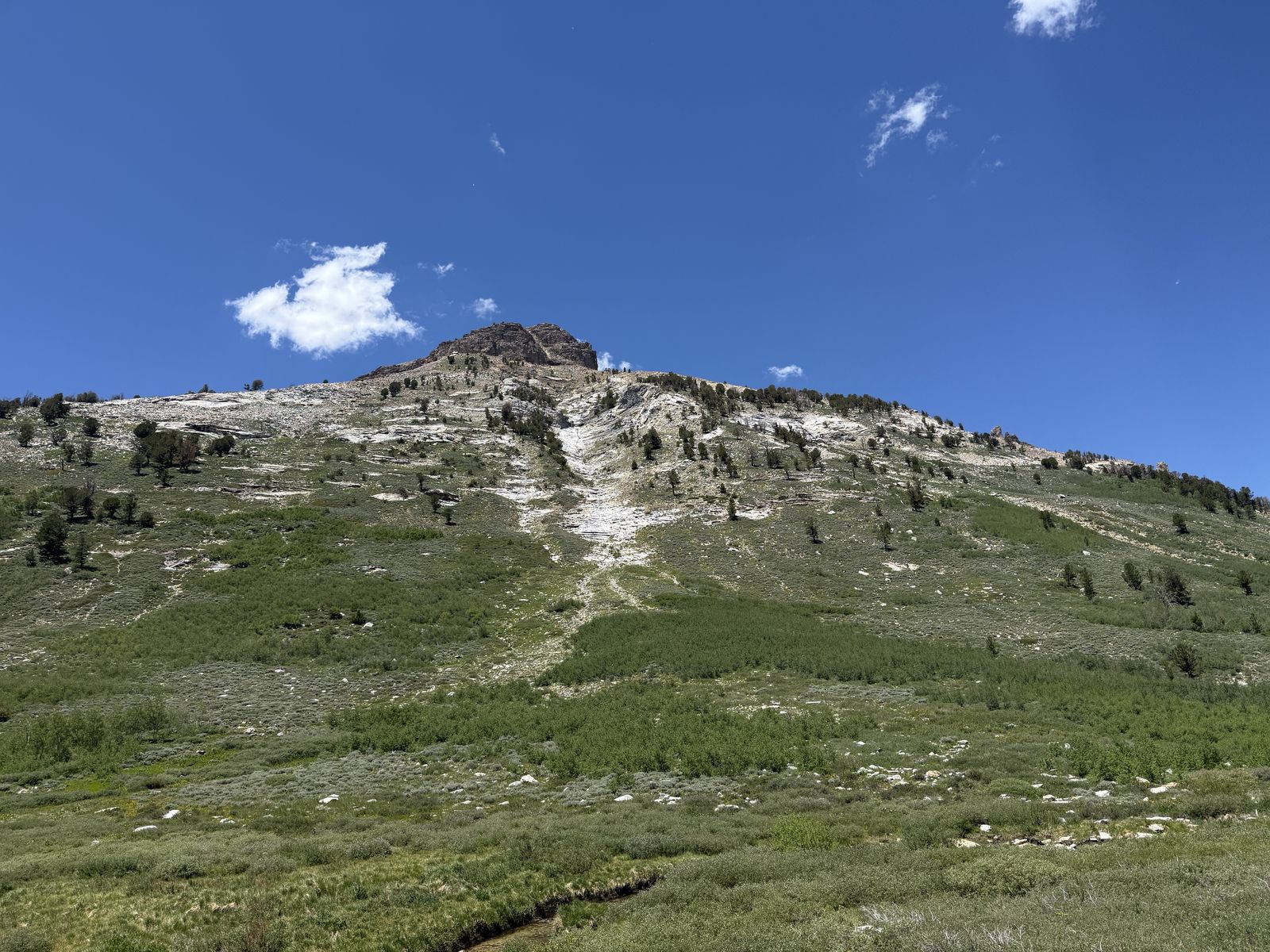
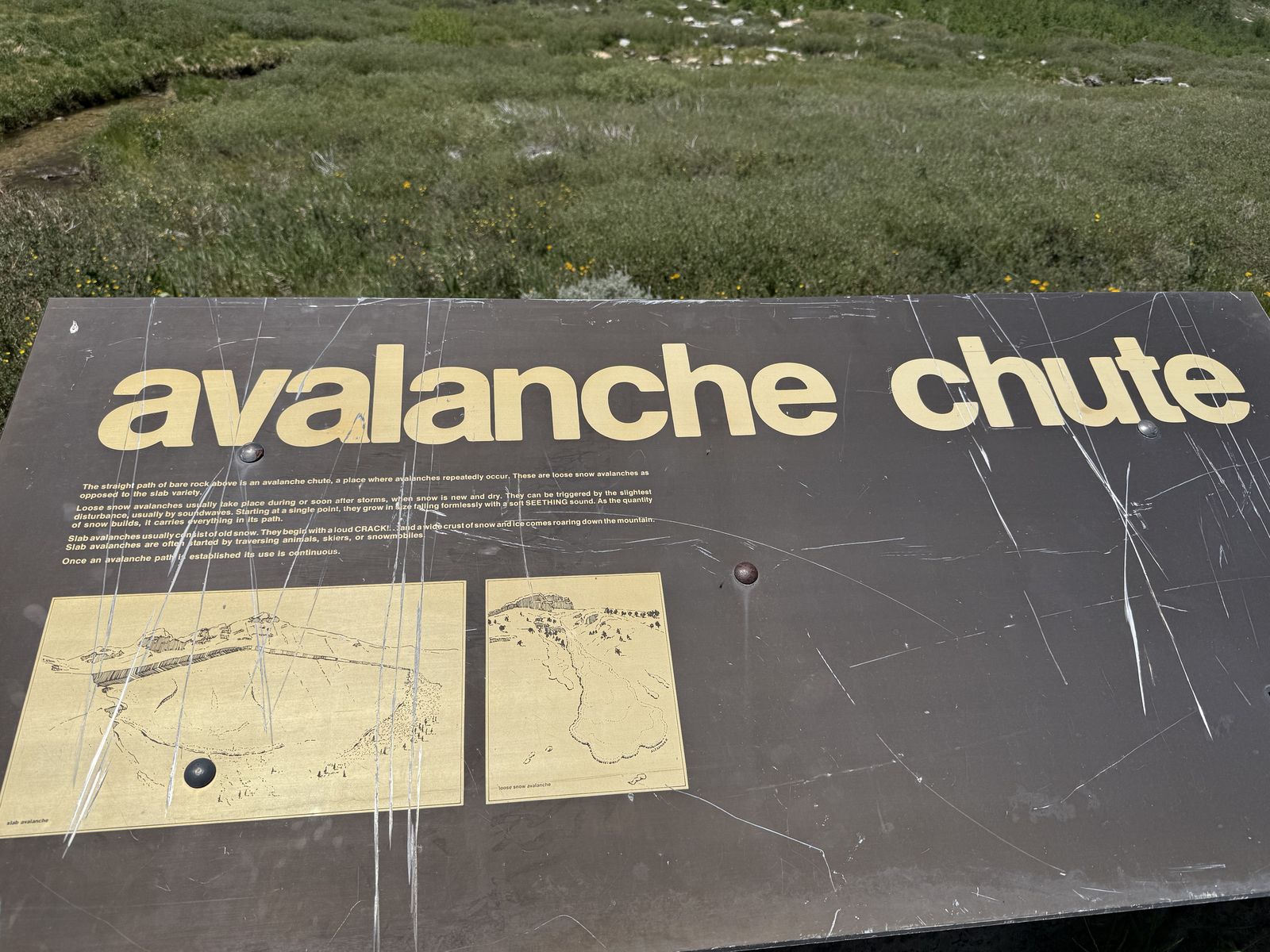
There are several small trails and stops along the road as you head towards the top. The interpretive trails are fun and informative. Otherwise, mainly the other trail-heads are for overnight backpacking trips which we were not doing on this trip.
The Rubies are known as habitat for Big Horn sheep (which we didn't find) and many species of bird, including the Himalayan Snowcock which is not native to the mountains, and interestingly, that website linked from the Nevada DOW differs in the story of how they were introduced from other places I've seen. We did glimpse many types of hawk, eagle and corvid in the canyon, thankfully. Several small ground mammals and fish as well.
I plan on coming back to the Ruby's at some point, I enjoyed the several days we spent there during this trip. Whenever leaving the Rubies from the North, always stop at Cowboy Joes for the caffeine.